Teus
Renes
Photographer · Rotterdam
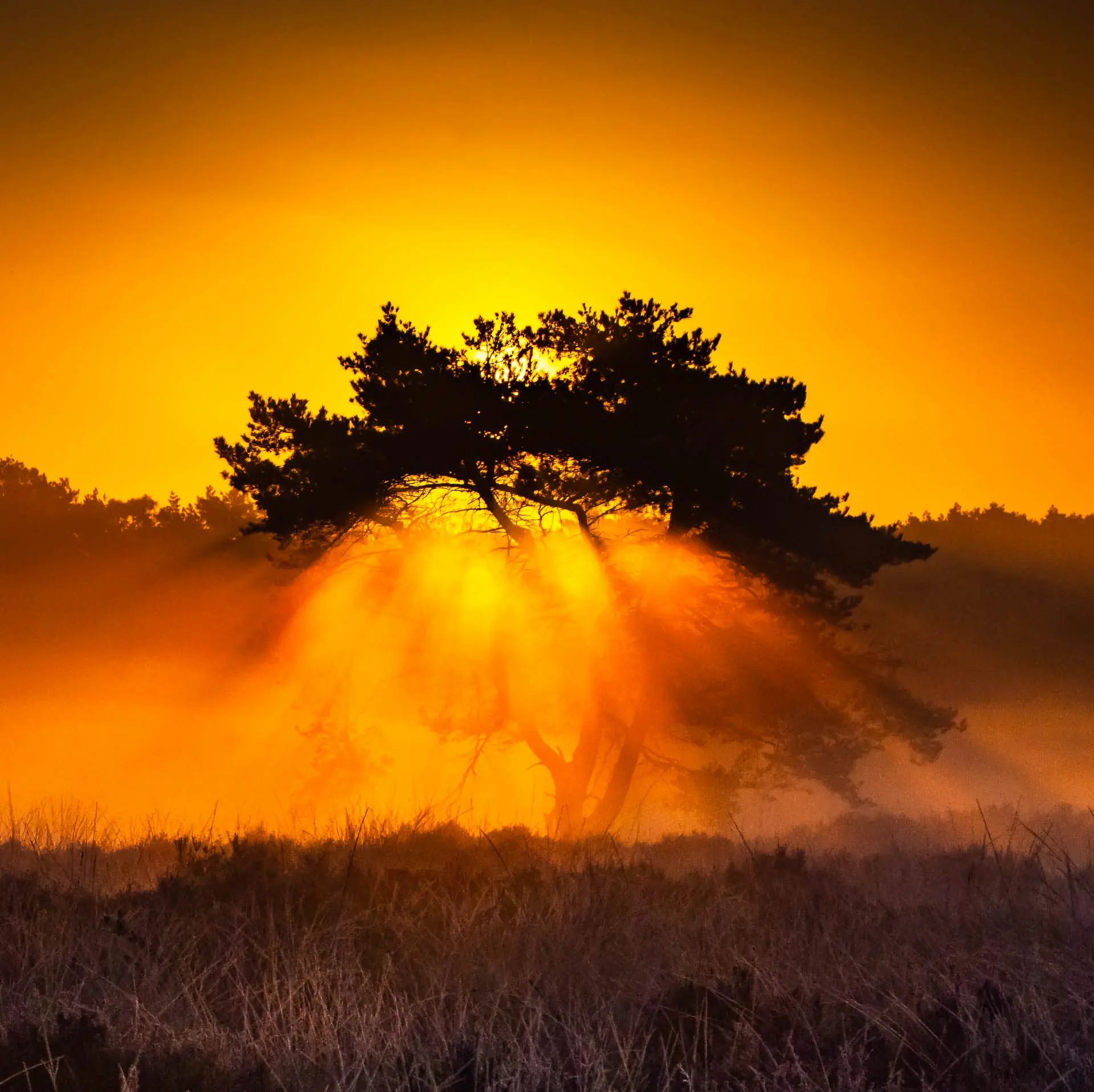
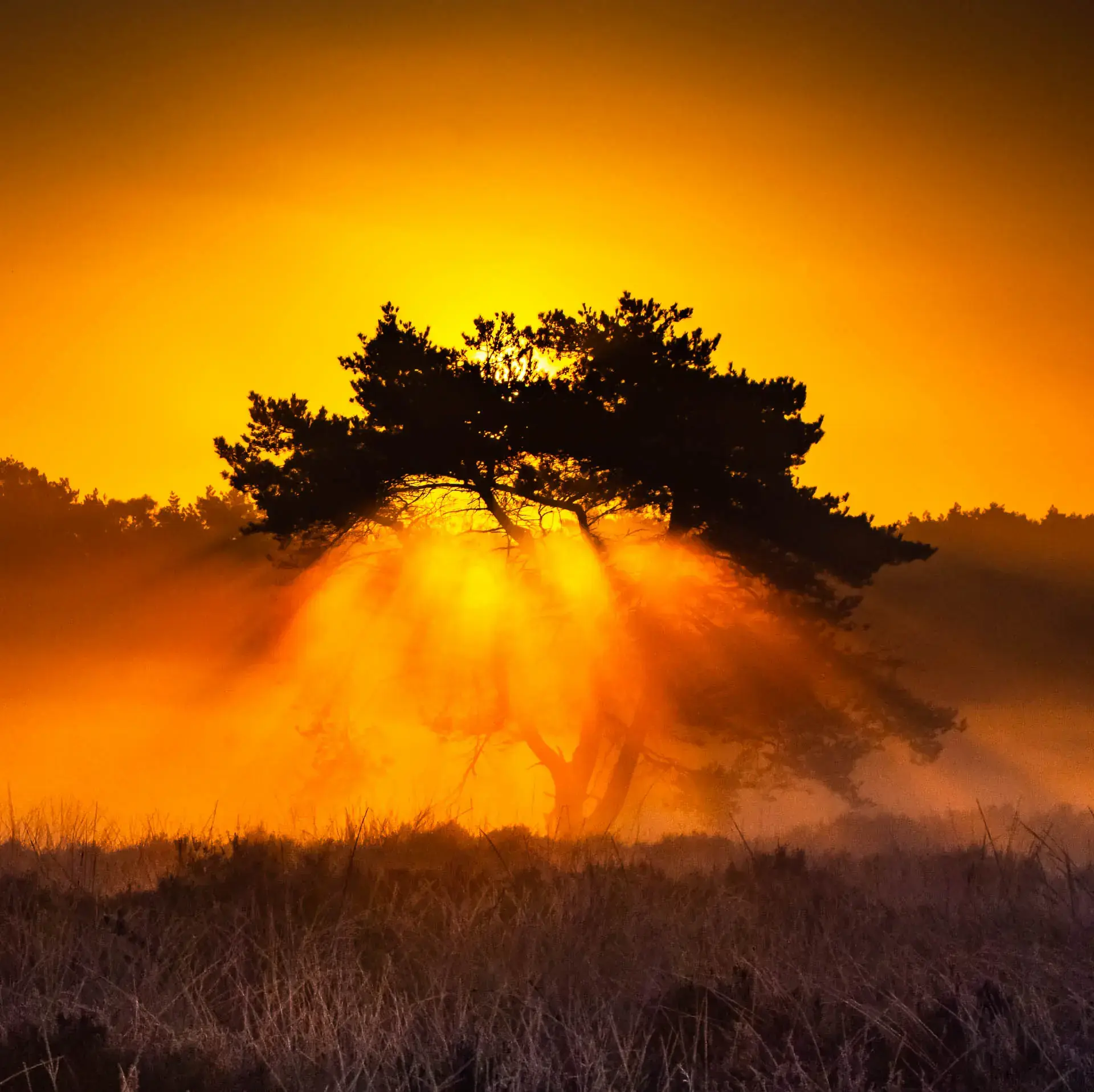
Teus Renes compares his way of working to fishing rather than hunting. He doesn't chase pictures. He goes back to the same place until the light and weather give him one.
Practice
He has photographed the polders and waterways of the Netherlands, the Swiss Alps, Uganda and Botswana, the hills of central Italy, the temples of Cambodia, and the canyons of the American Southwest. The places differ, but he works the same way in all of them.
He grew up in the Netherlands, where the land is flat and the sky does most of the work. With no hills to shape a view, weather, cloud, and light shape it instead. He learned a lot from the Dutch Masters, who used light to hold a painting together, and he still thinks that way whether he is on Rotterdam's waterfront, below a mountain in cloud, or out on the East African plain.
Every print is framed by local framers using museum-quality materials.
Artist Statement
I think of what I do as closer to fishing than hunting. I go back to a place, read the conditions, and wait. Most days nothing happens. Now and then the light, the weather, and my own attention line up, and there is a picture.
I grew up in the Netherlands. When the land is that flat, you can't stop noticing the weather, the distance, and how the light changes through the day. There are no hills to give a view its shape, so the light does it. I still look at things that way, whether I am on Rotterdam's waterfront, in the Alps, or in East Africa. My work owes as much to painting as to photography, and especially to the Dutch Masters, who built their pictures out of light and shade.
I keep coming back to the same subjects: landscapes under big skies, animals looking back at the camera, small corners of cities, details that are almost abstract. They don't belong to one genre. What they share is that none of them shout. I like photographs you have to spend a little time with, because I had to spend time making them. I don't add drama that wasn't there.
I have worked on several continents. Weather sits differently on the Swiss Alps than on the savanna in Uganda or in the sandstone of Arizona. What I look for is the same everywhere: a picture that feels like being there, and that makes you slow down.
I make prints to last. That means archival materials, careful framing, and photographs you can live with on a wall for years and still find something new in.
- Representation
Currently self-represented. I handle print sales, publication requests, and project inquiries myself.
Email me about prints, editorial use, or collaborations.
- Exhibitions
A list of exhibitions will be added here.
For availability or past shows, please get in touch.
- Publications & Press
Essays and field notes are published in the journal. More press material is on the way.
Print Process
It starts in the field, with waiting. I go back to a place until the light and the weather make a picture possible, and I would rather come home with one good photograph than a card full of scenes.
Then the photograph has to become a print. I edit each one with the print in mind, not the screen. Seeking Light prints are made with master printers and framed by local framers. I want the print to keep the fine tones and detail in the file, so I don't push contrast or saturation.
The specification: archival pigment inks, museum-grade fine art paper, acid-free materials throughout, and Tru Vue® Museum Acrylic glazing with 99% UV protection. Each work is a signed, numbered limited edition. It arrives as a Premium Package with the frame, a Certificate of Authenticity, care instructions, and documentation, and should last more than 100 years.
Some of the details may change over time. What won't change is the goal: a print that is faithful to the image, lasts, and is made with care at every step.
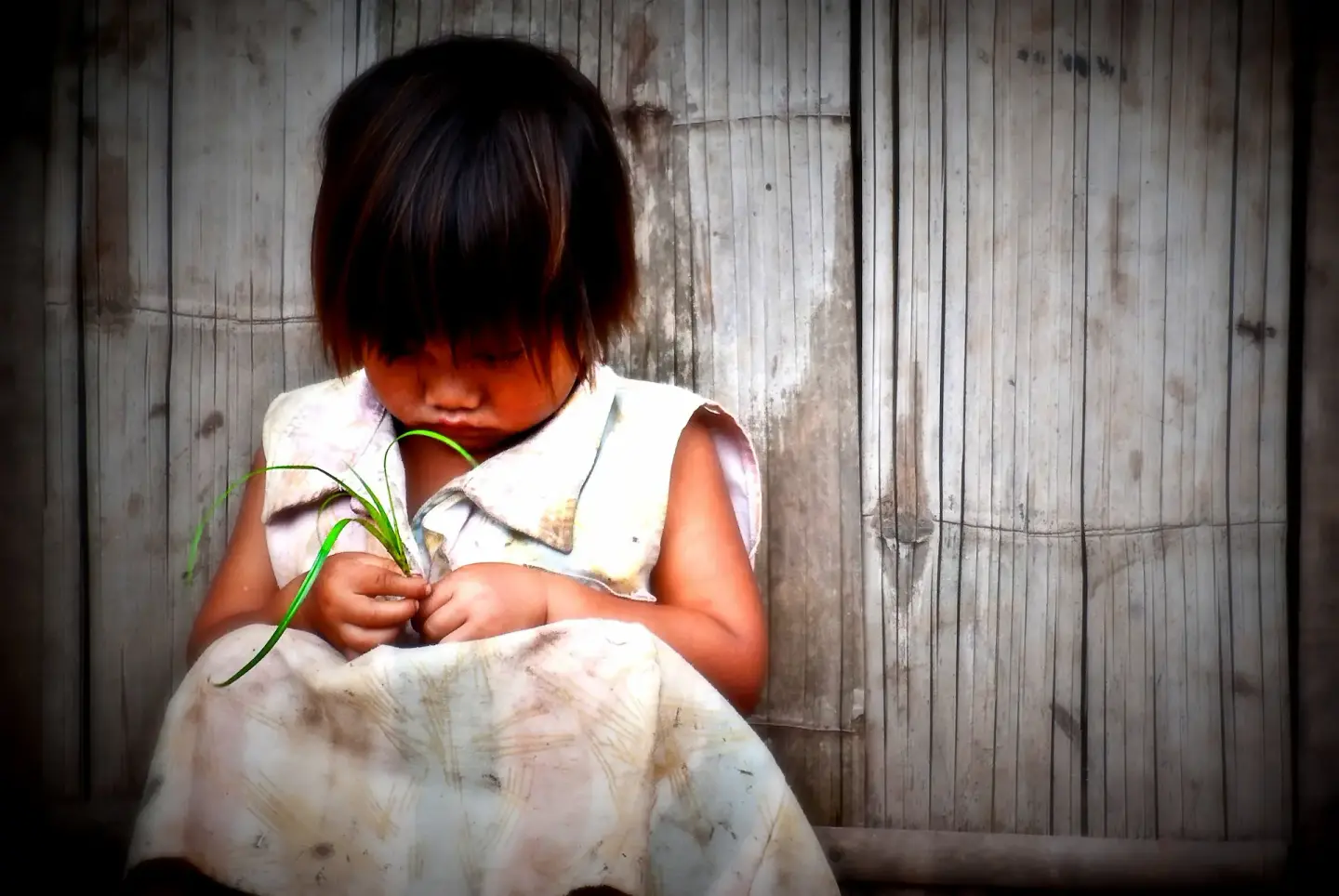
For a current collector example, View print details for Child with Grass Blades, Chiang Mai.
The work, marked in groups.
20 featured frames from 5 series, laid out as a contact sheet.
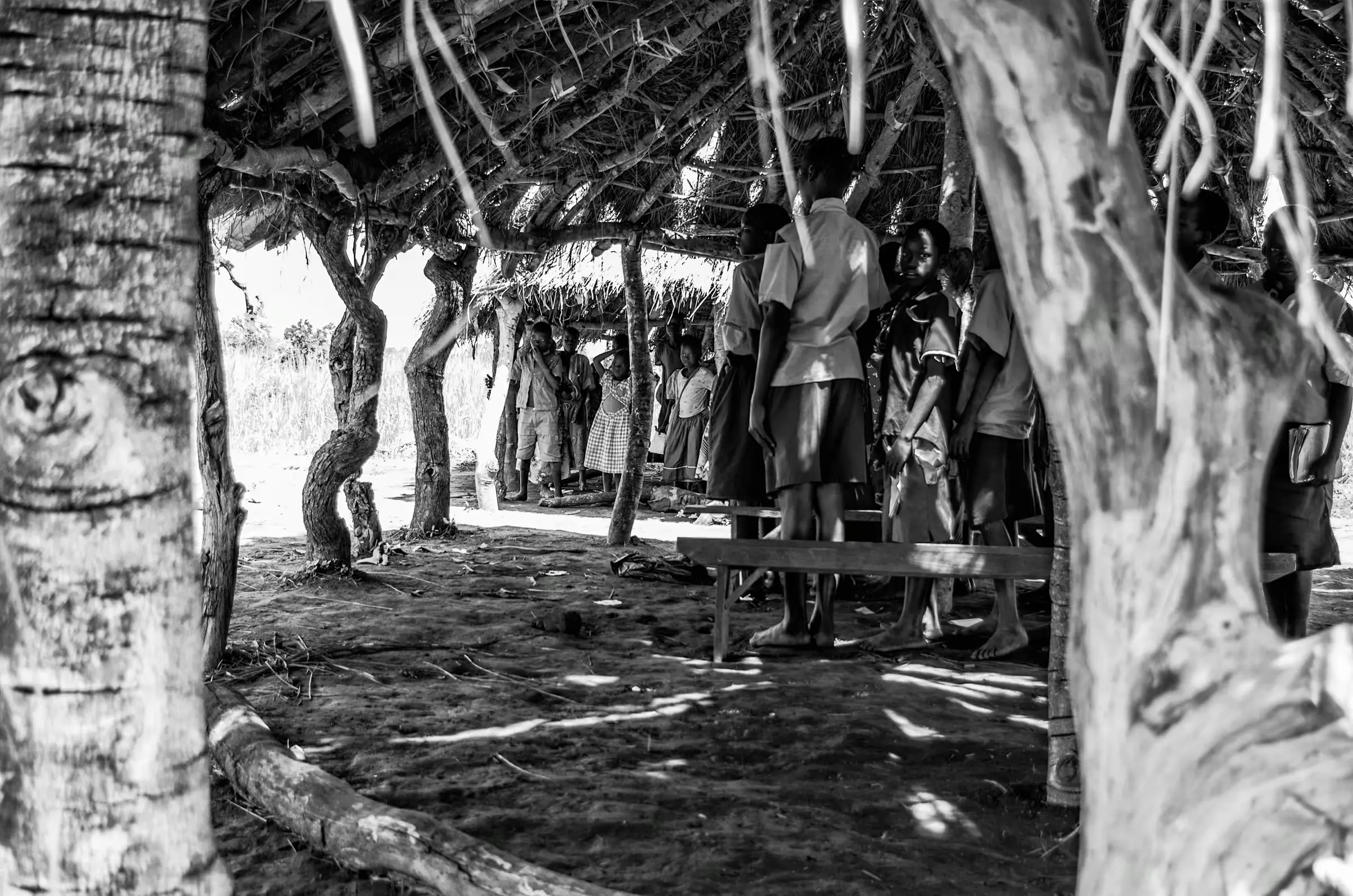
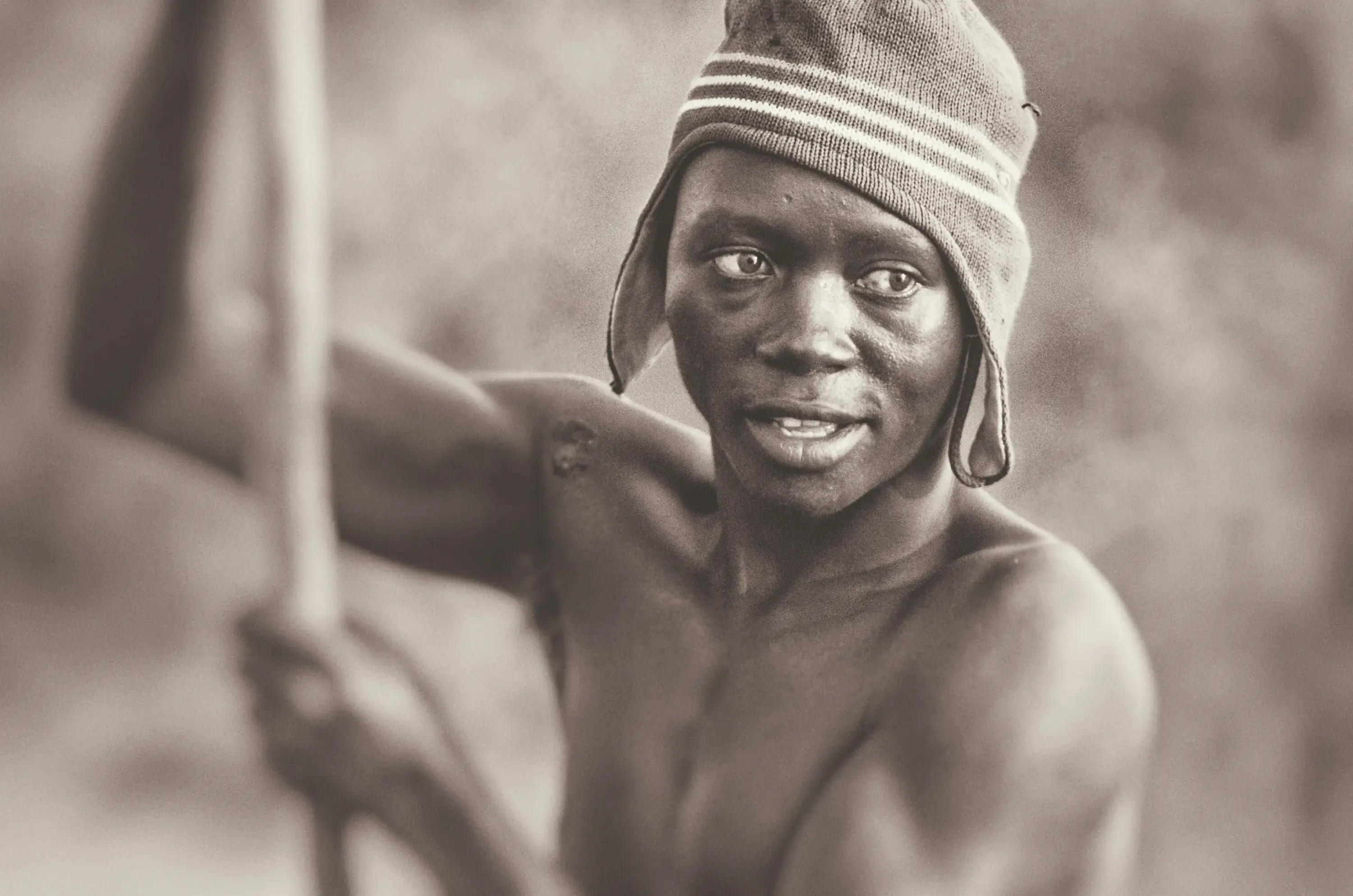
Uganda and South Africa, photographed over years of going back.
Buildings, stations, and streets in Paris, New York, Vatican City, Liège, and Ascoli Piceno.
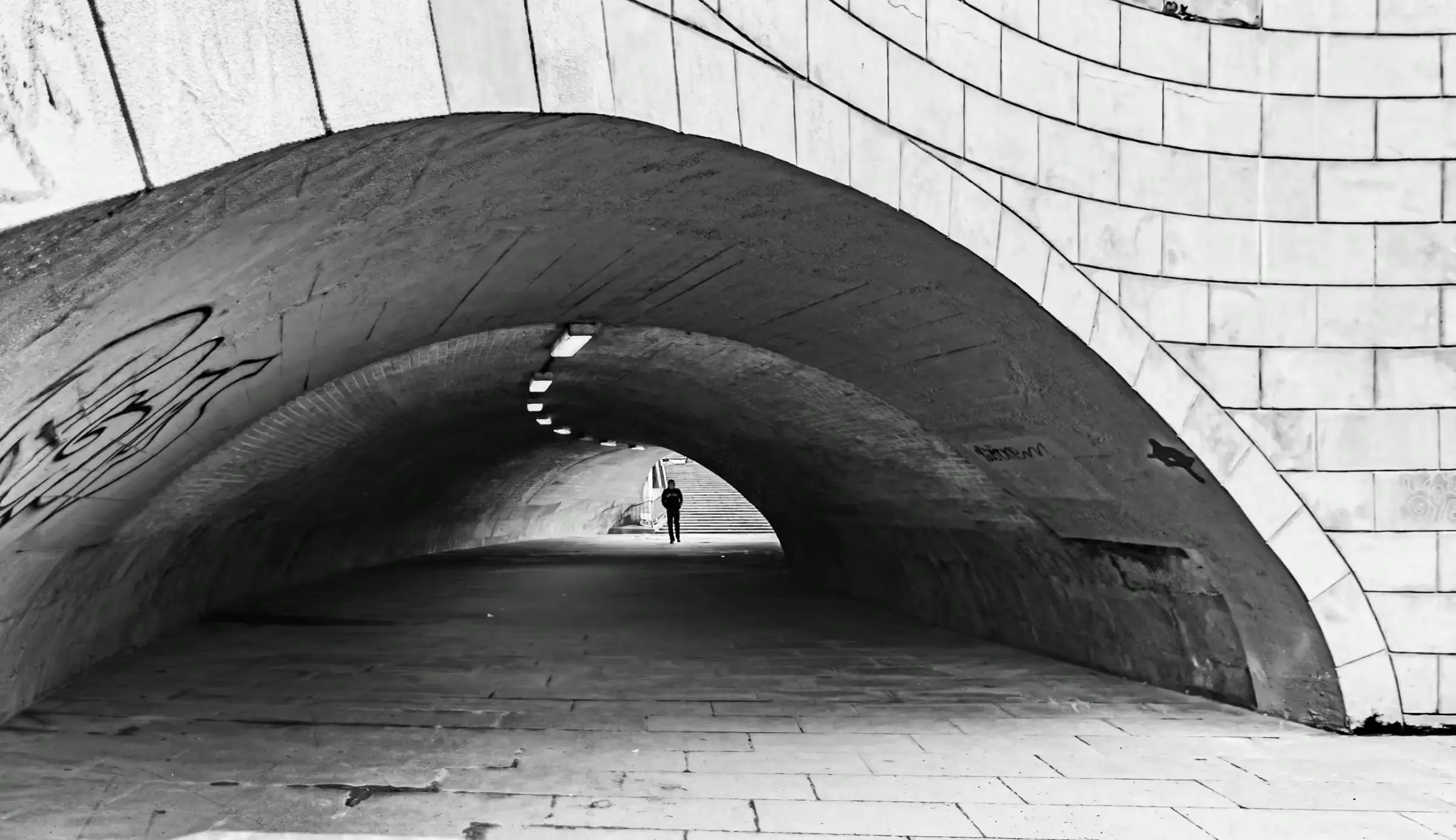
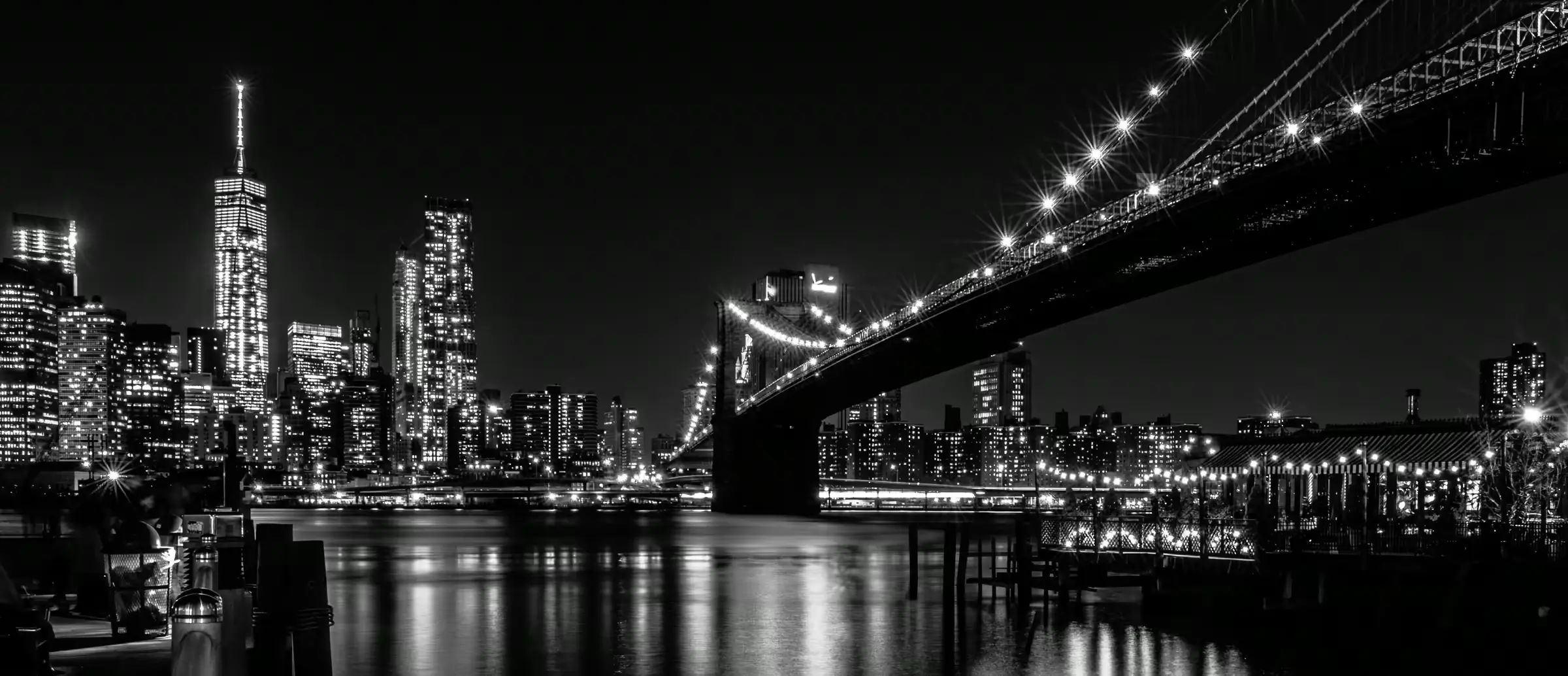
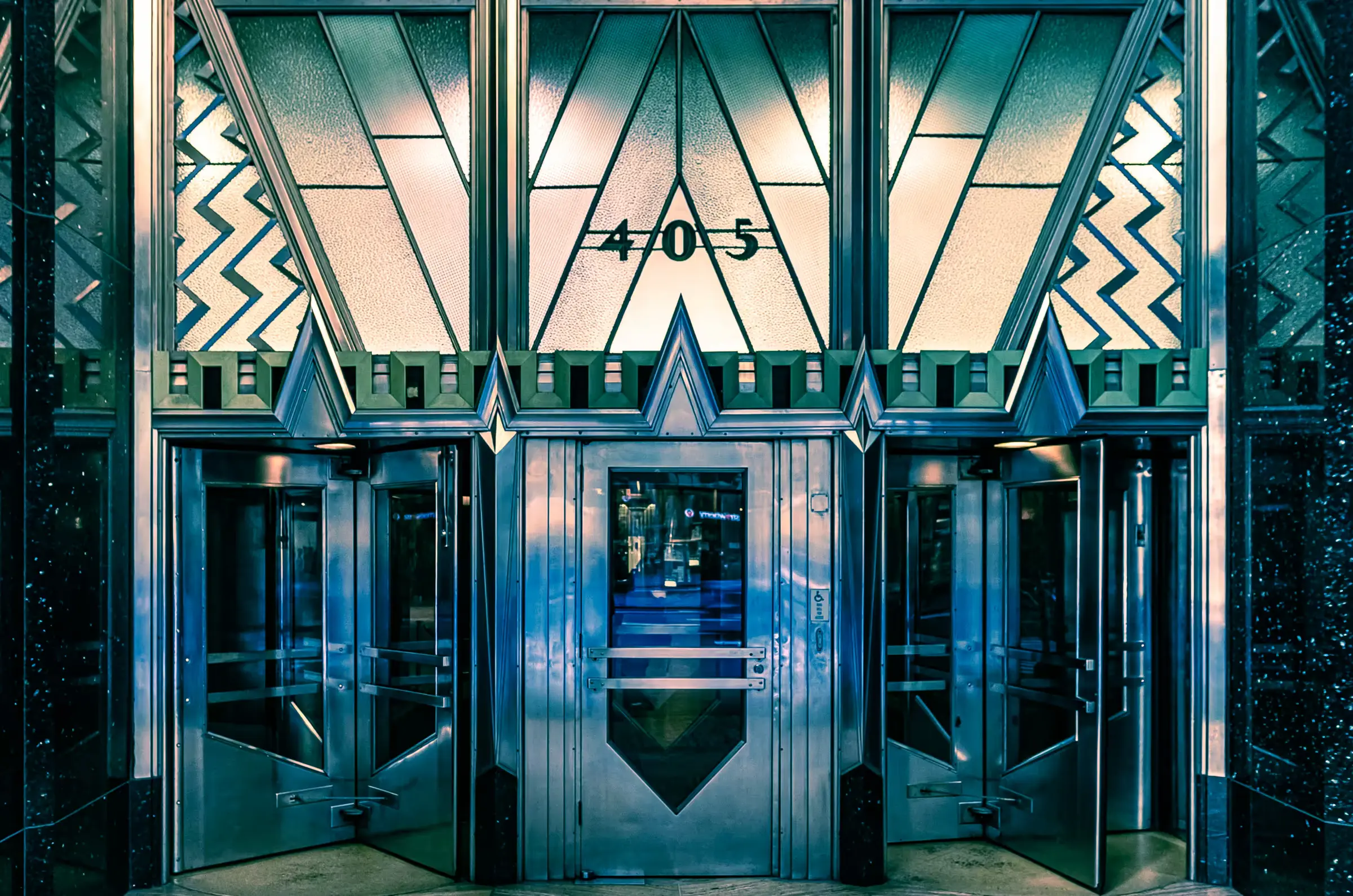
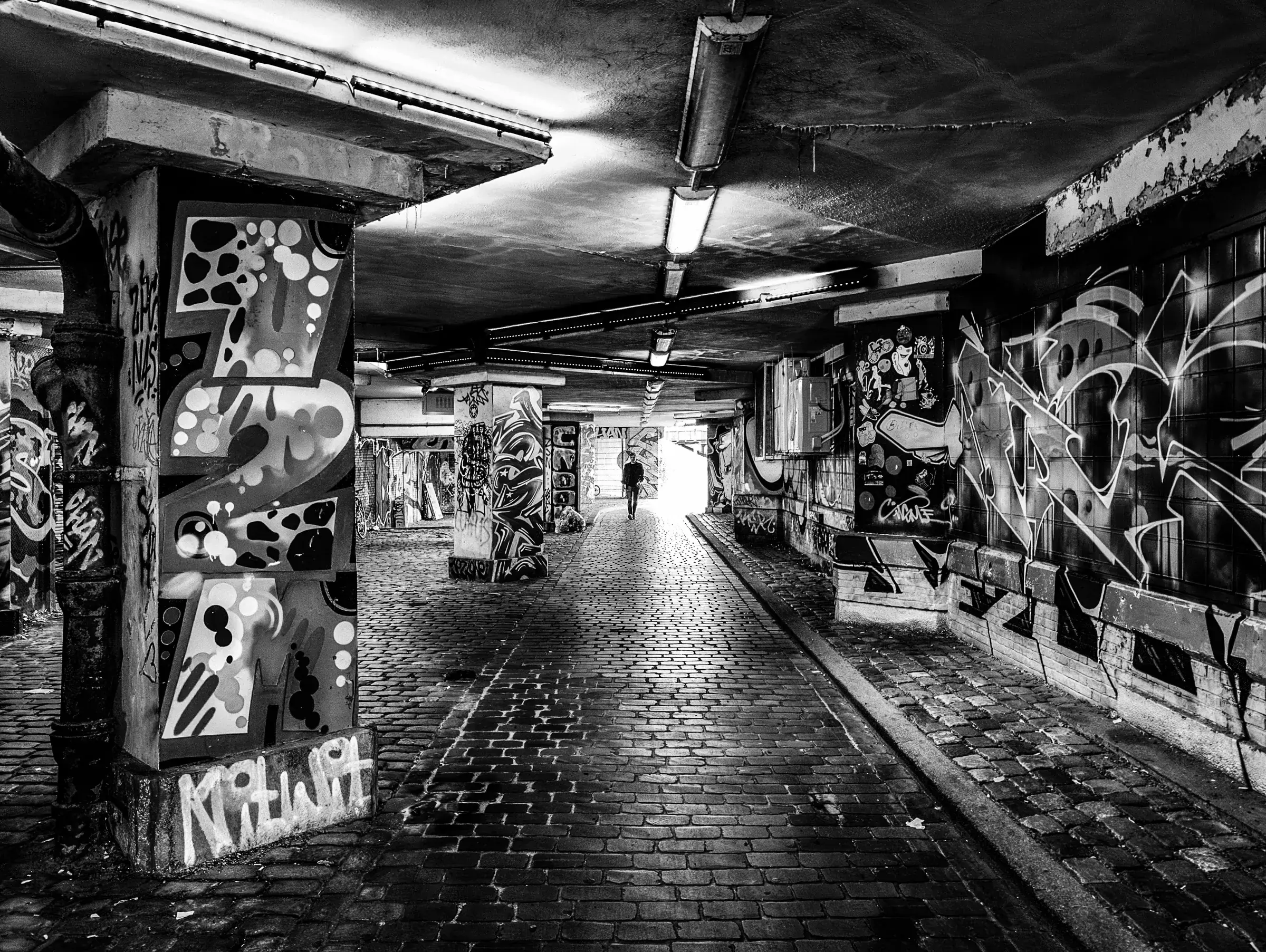
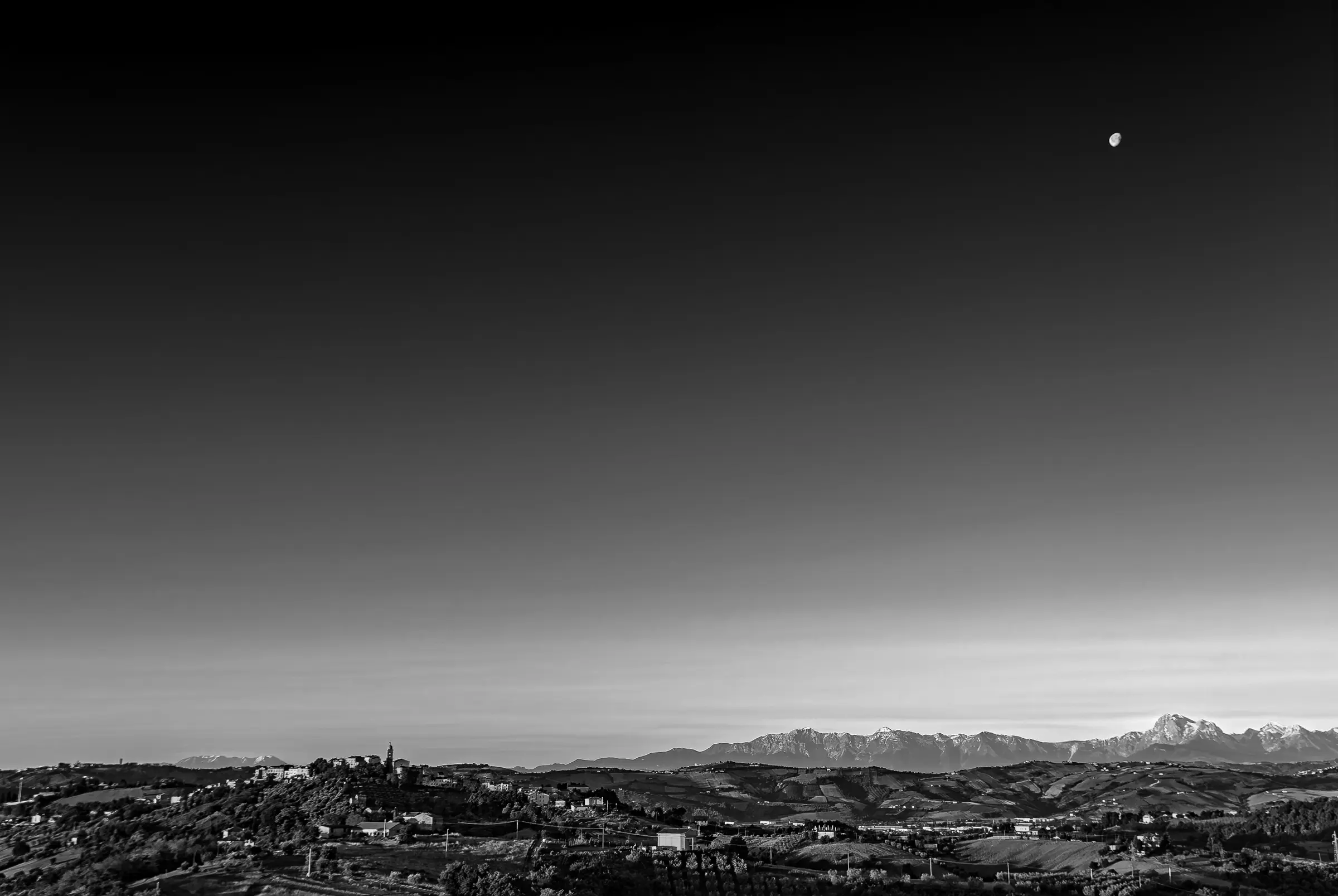
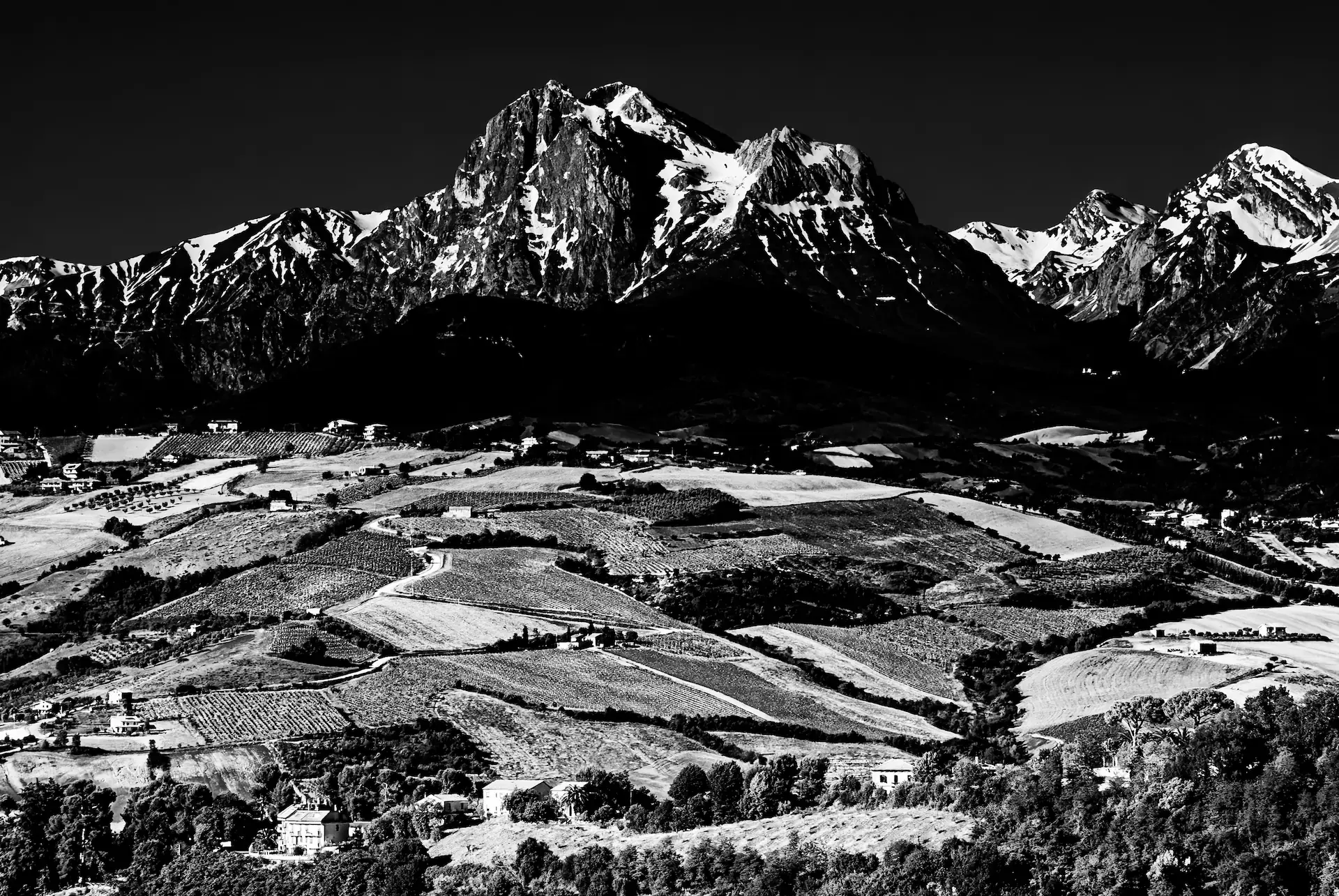
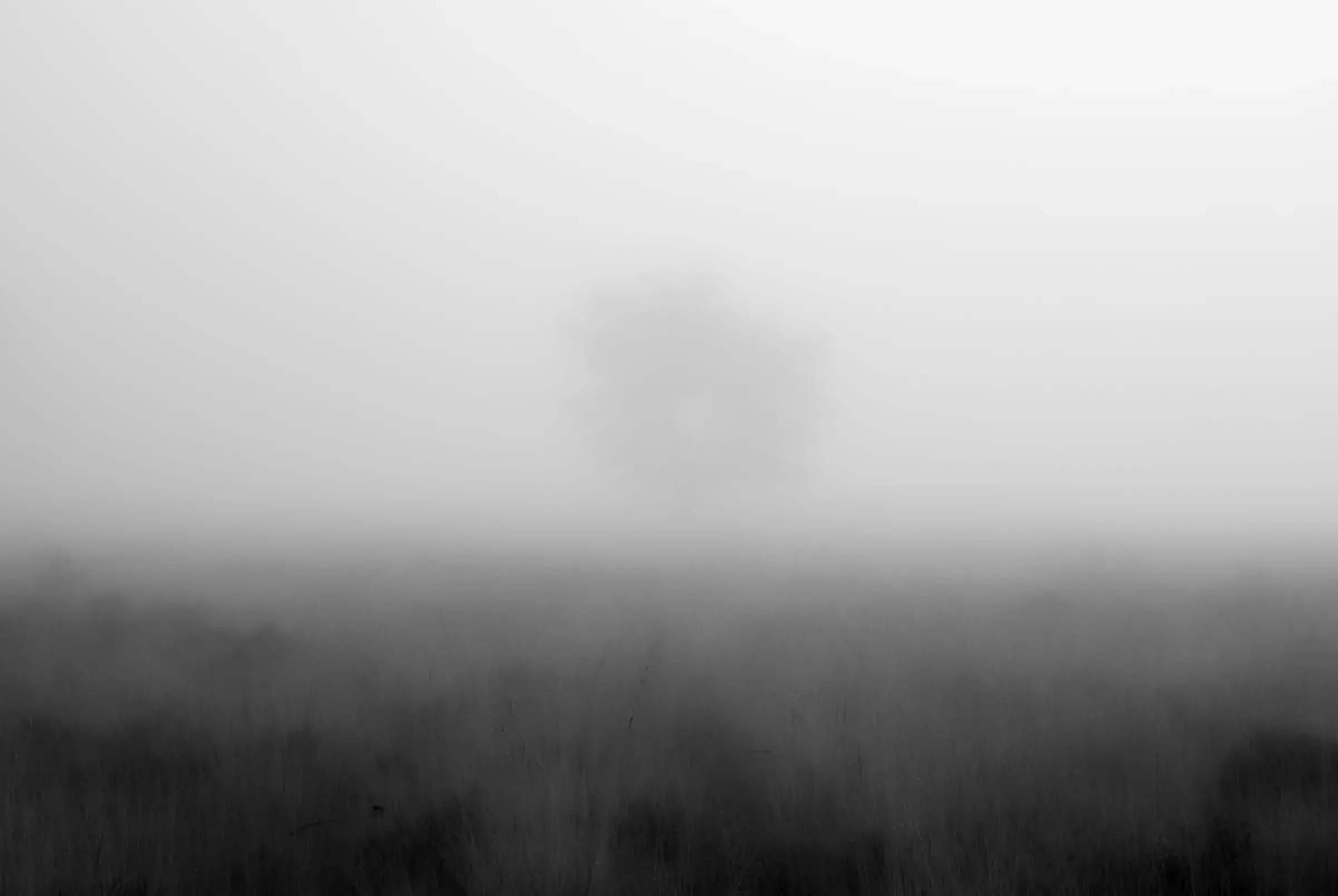
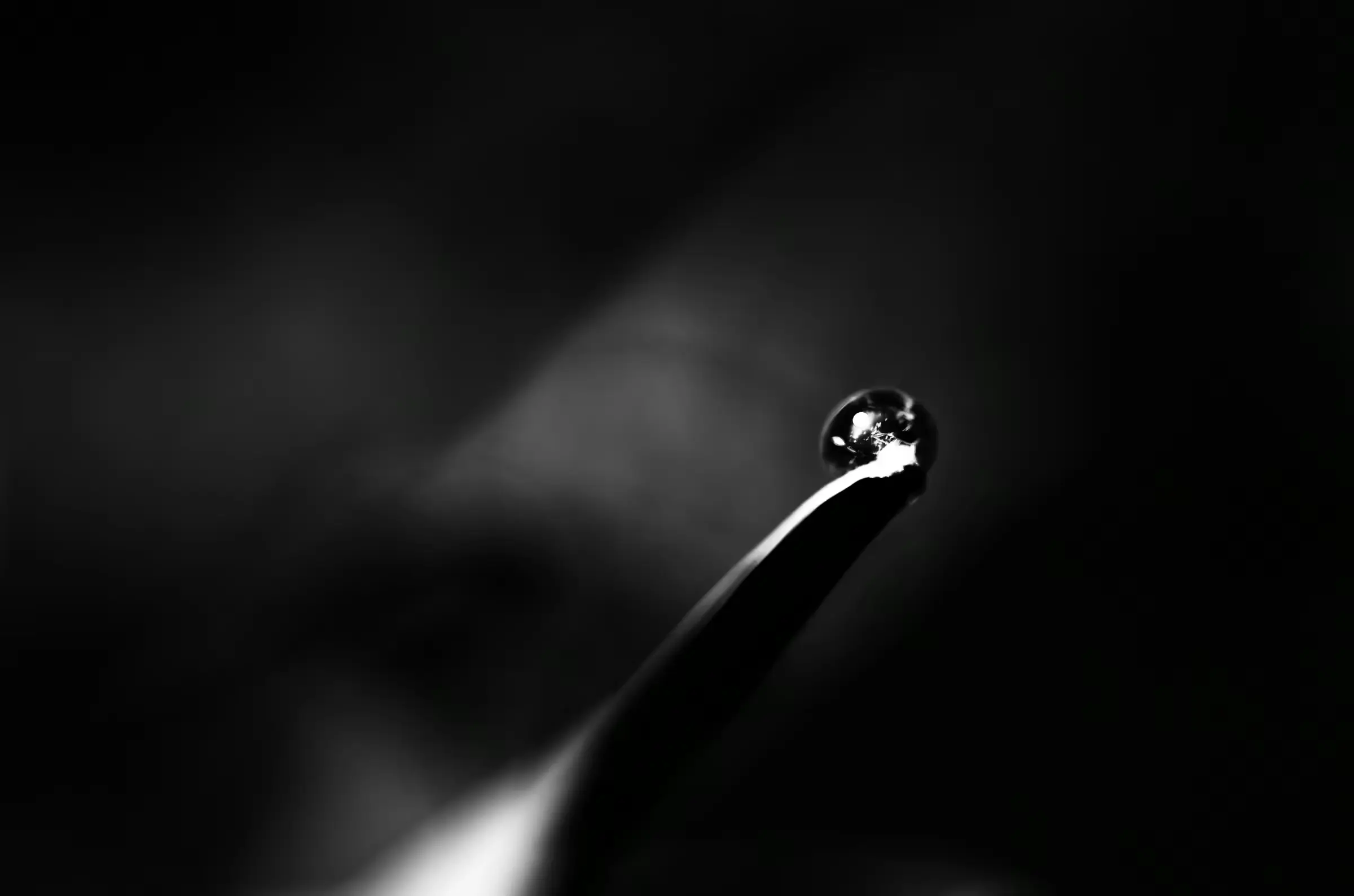
Black-and-white photographs from across the archive.
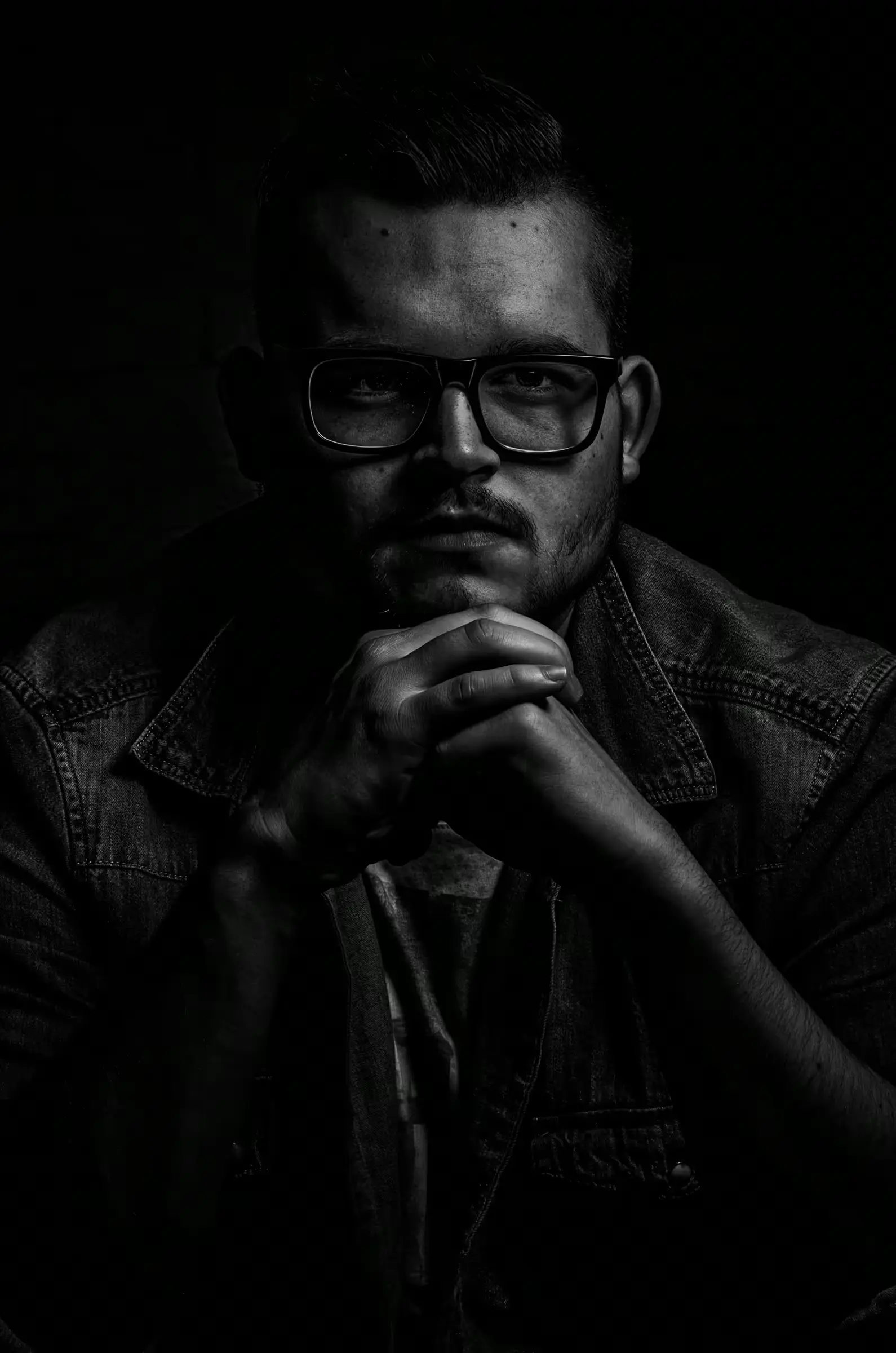
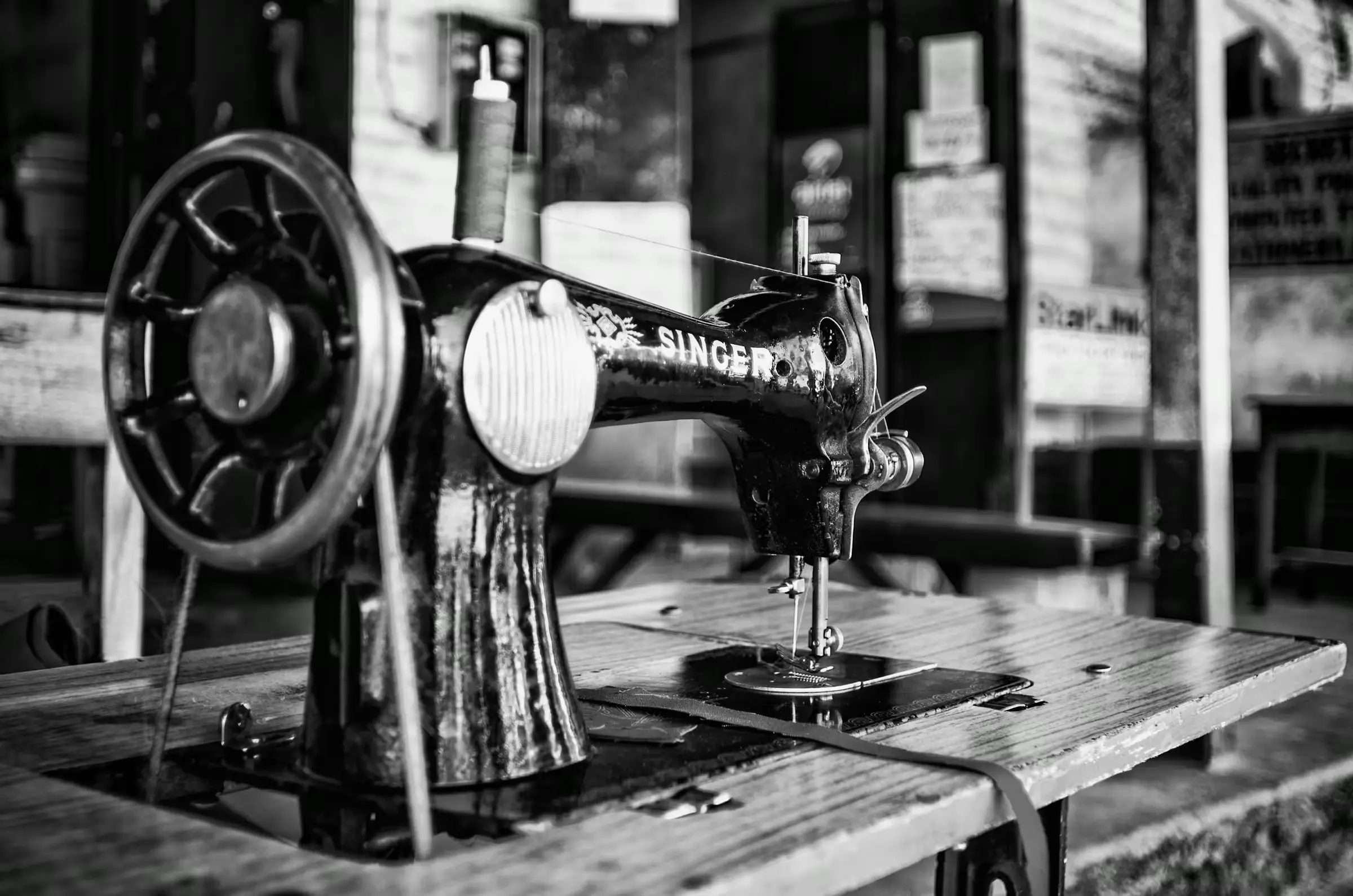
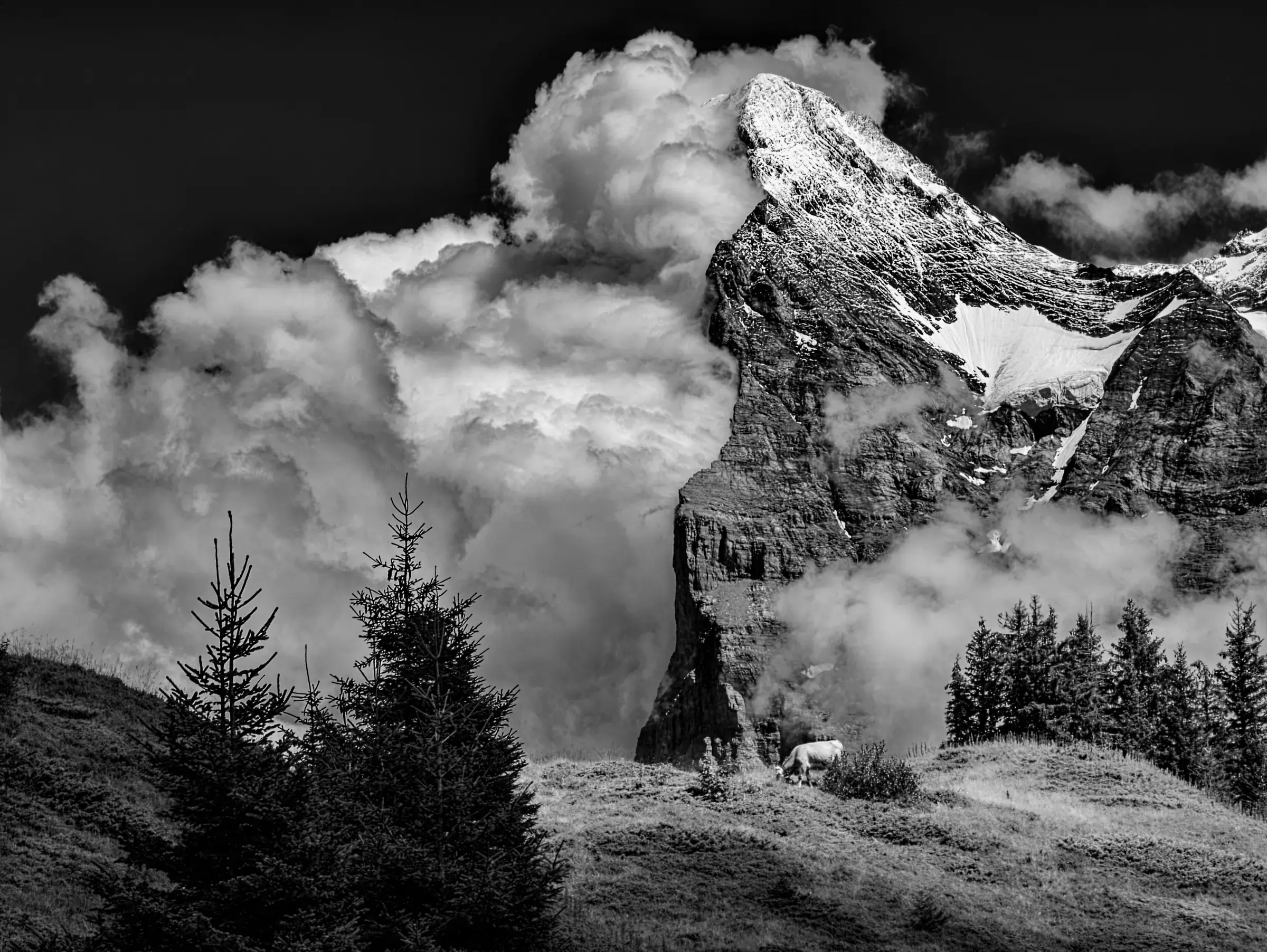
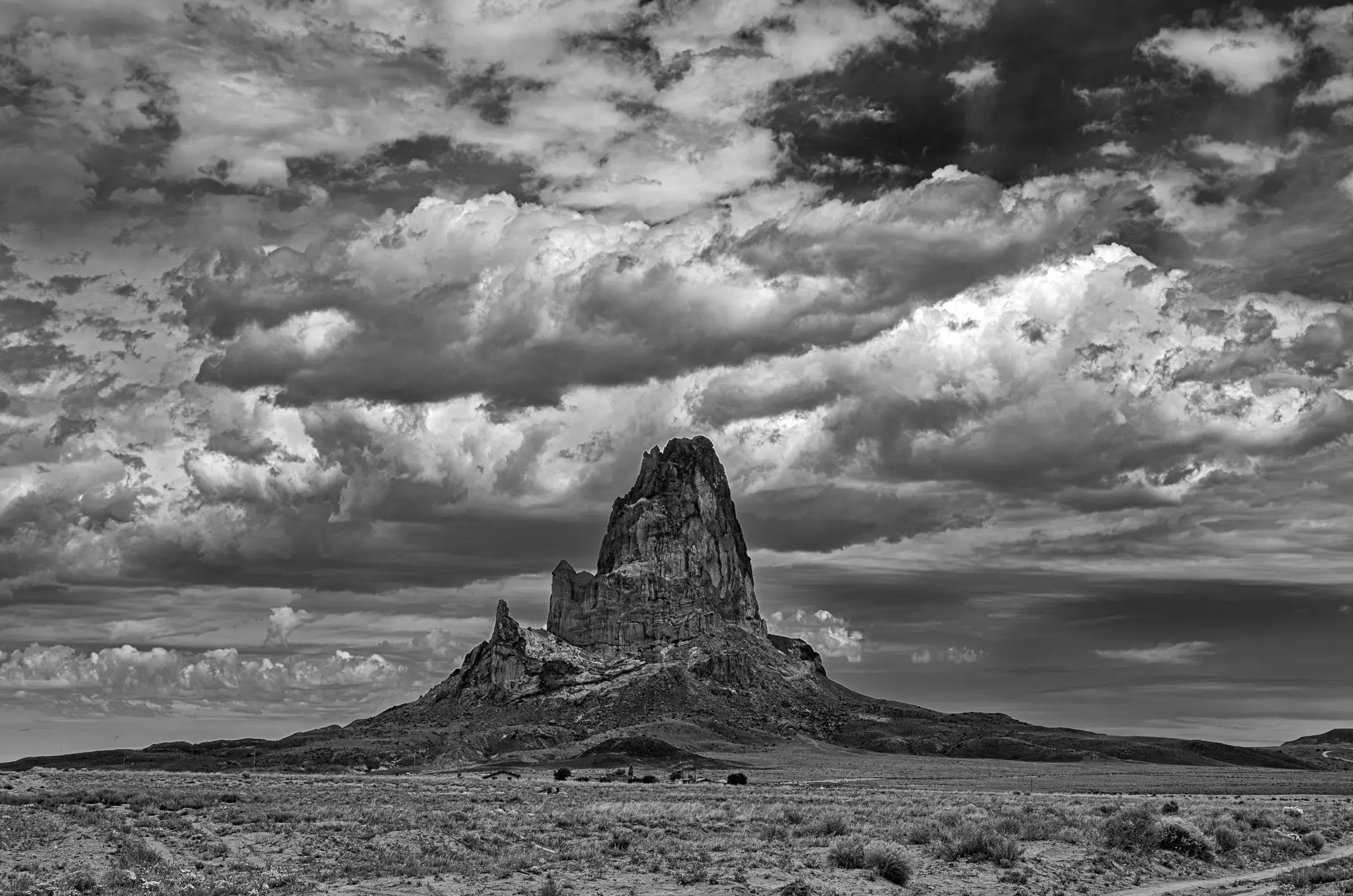
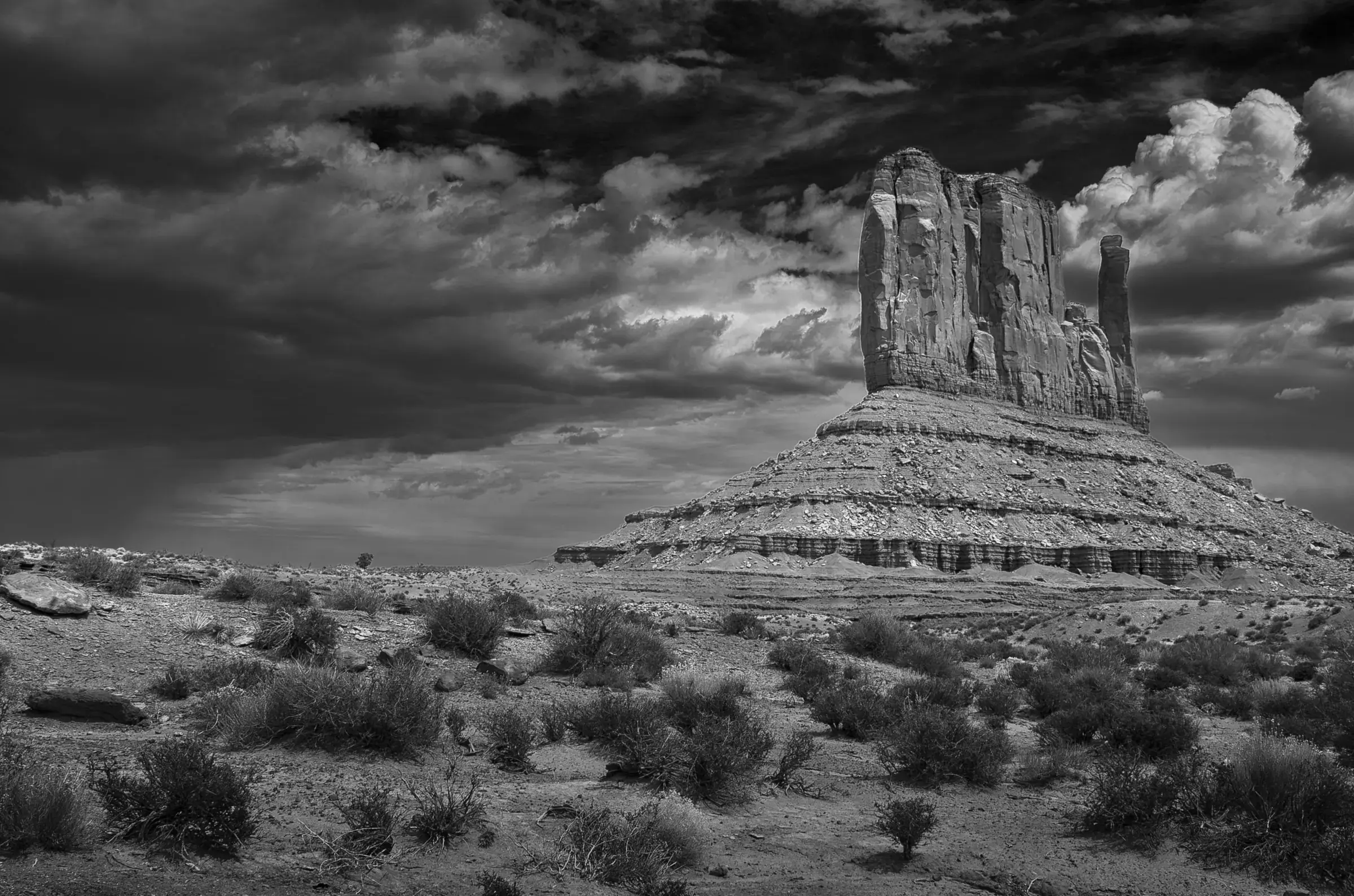
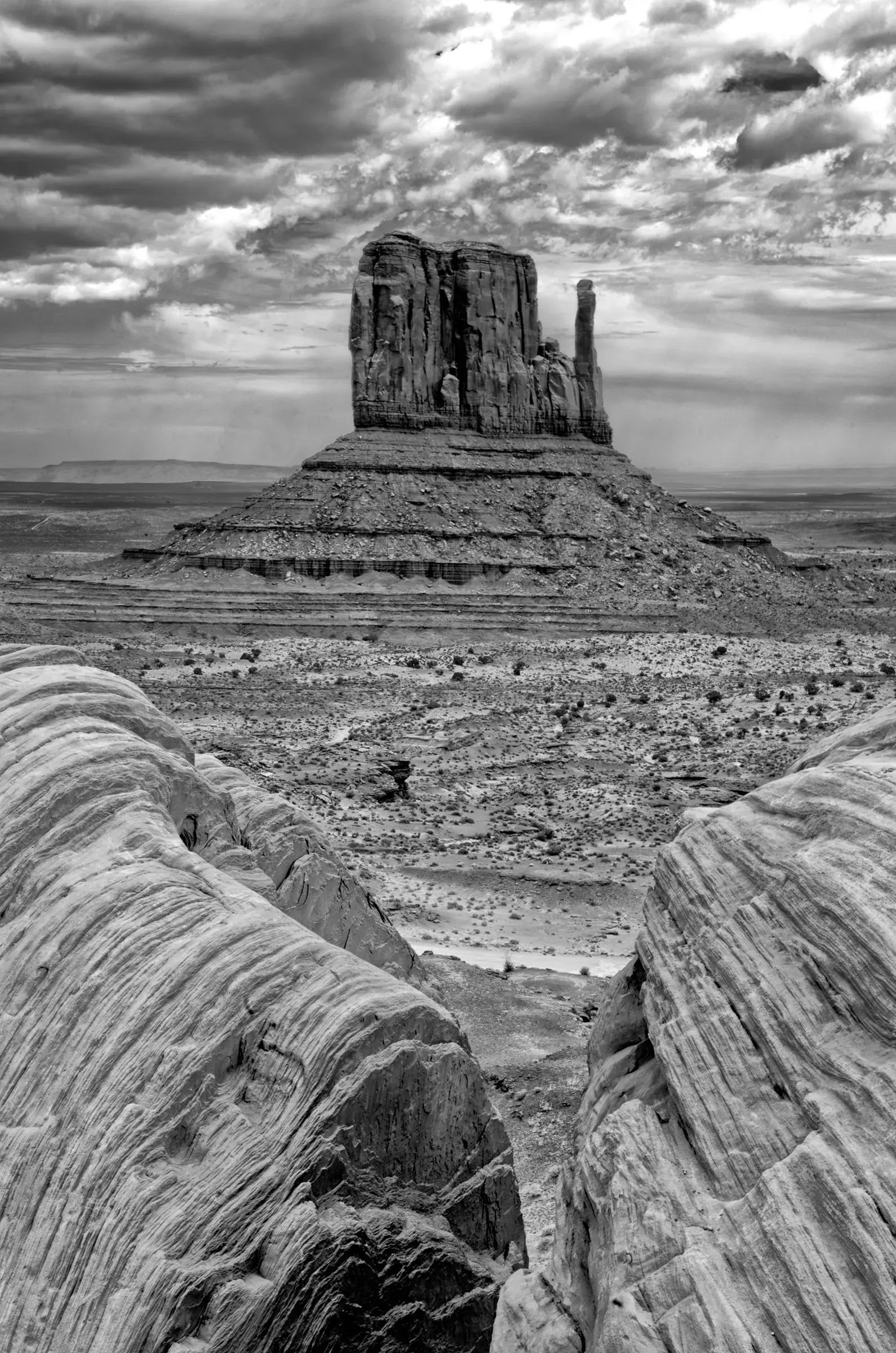
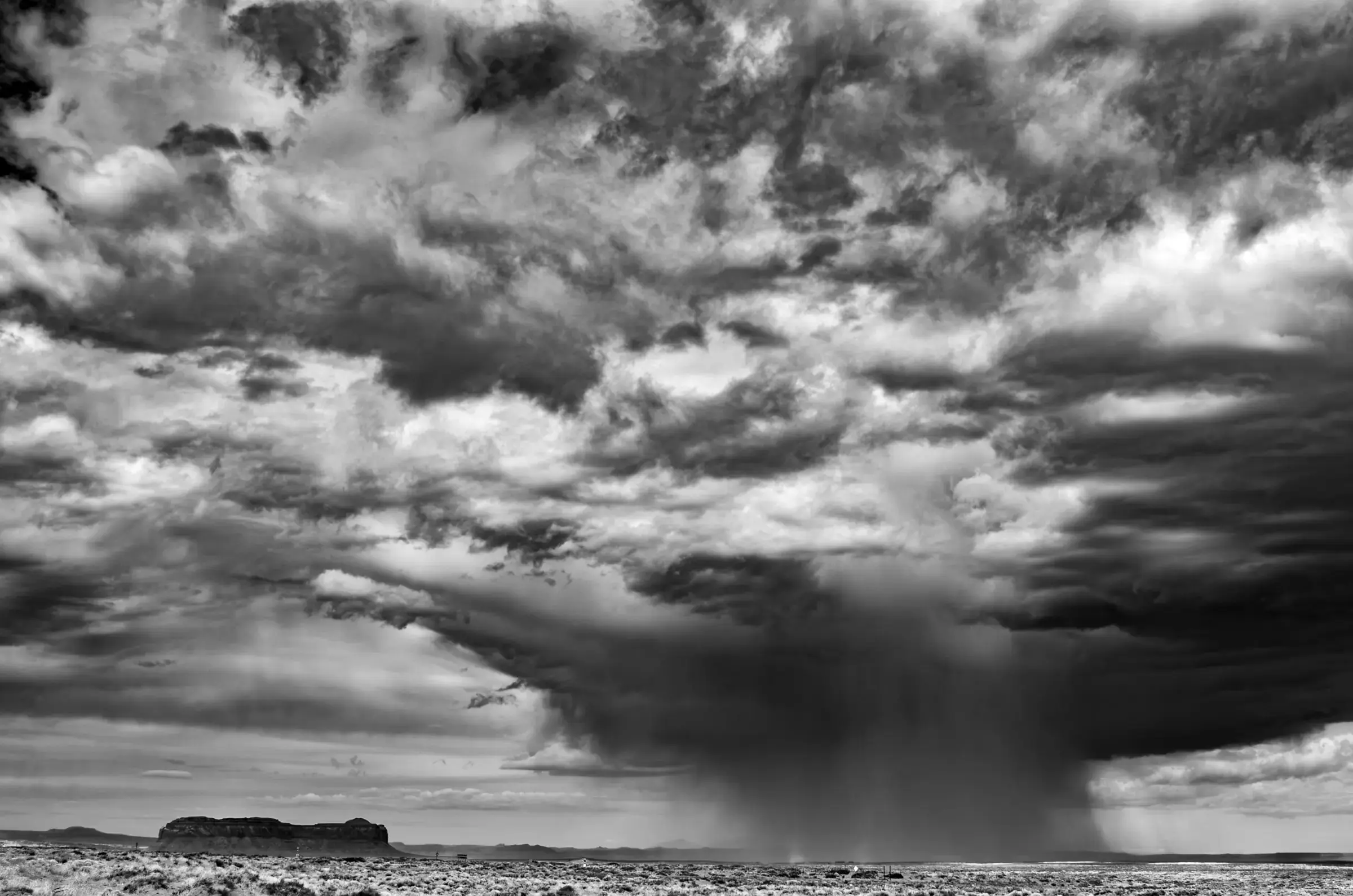
The buttes of Monument Valley under storm skies, in black and white.
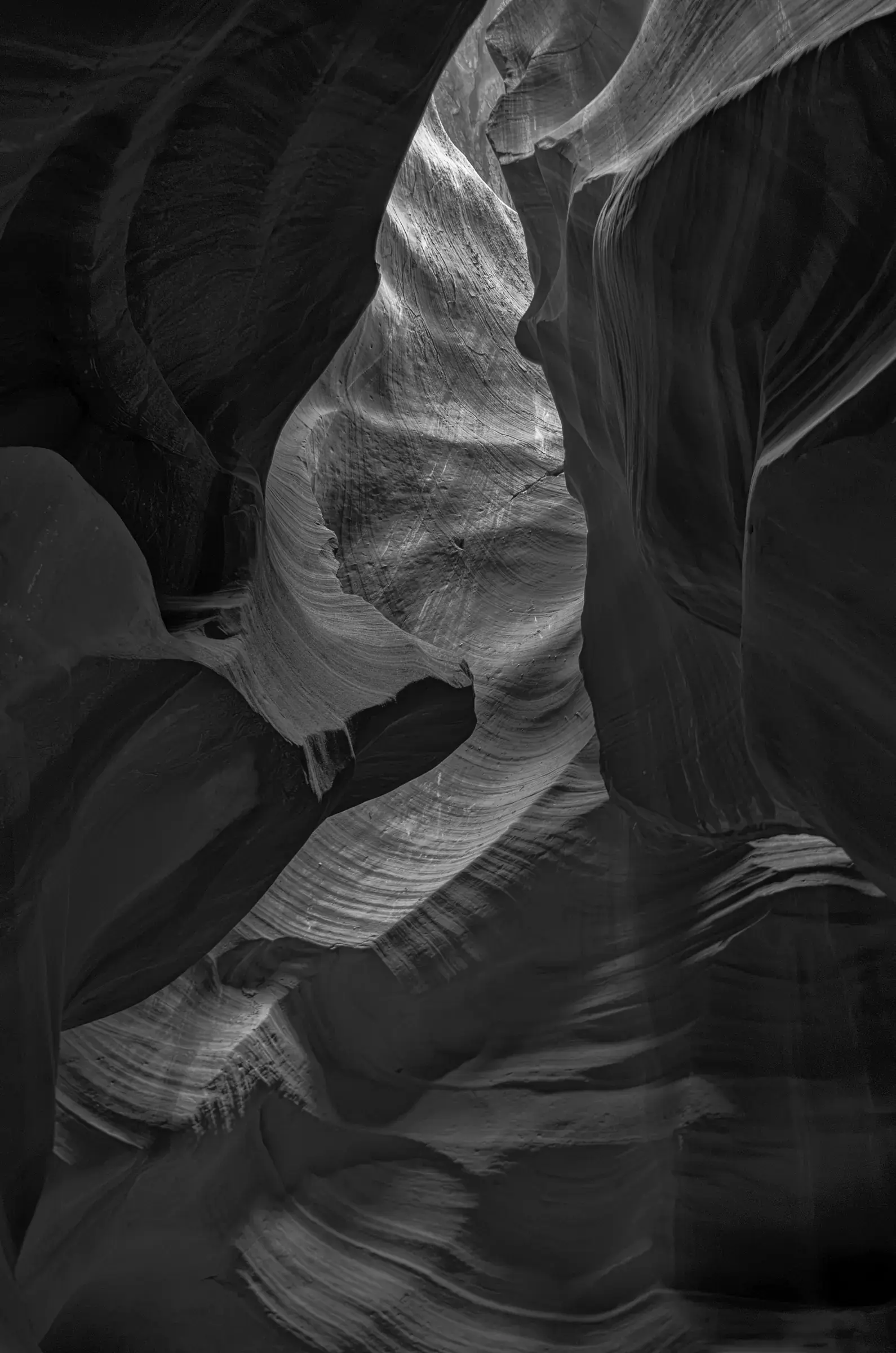
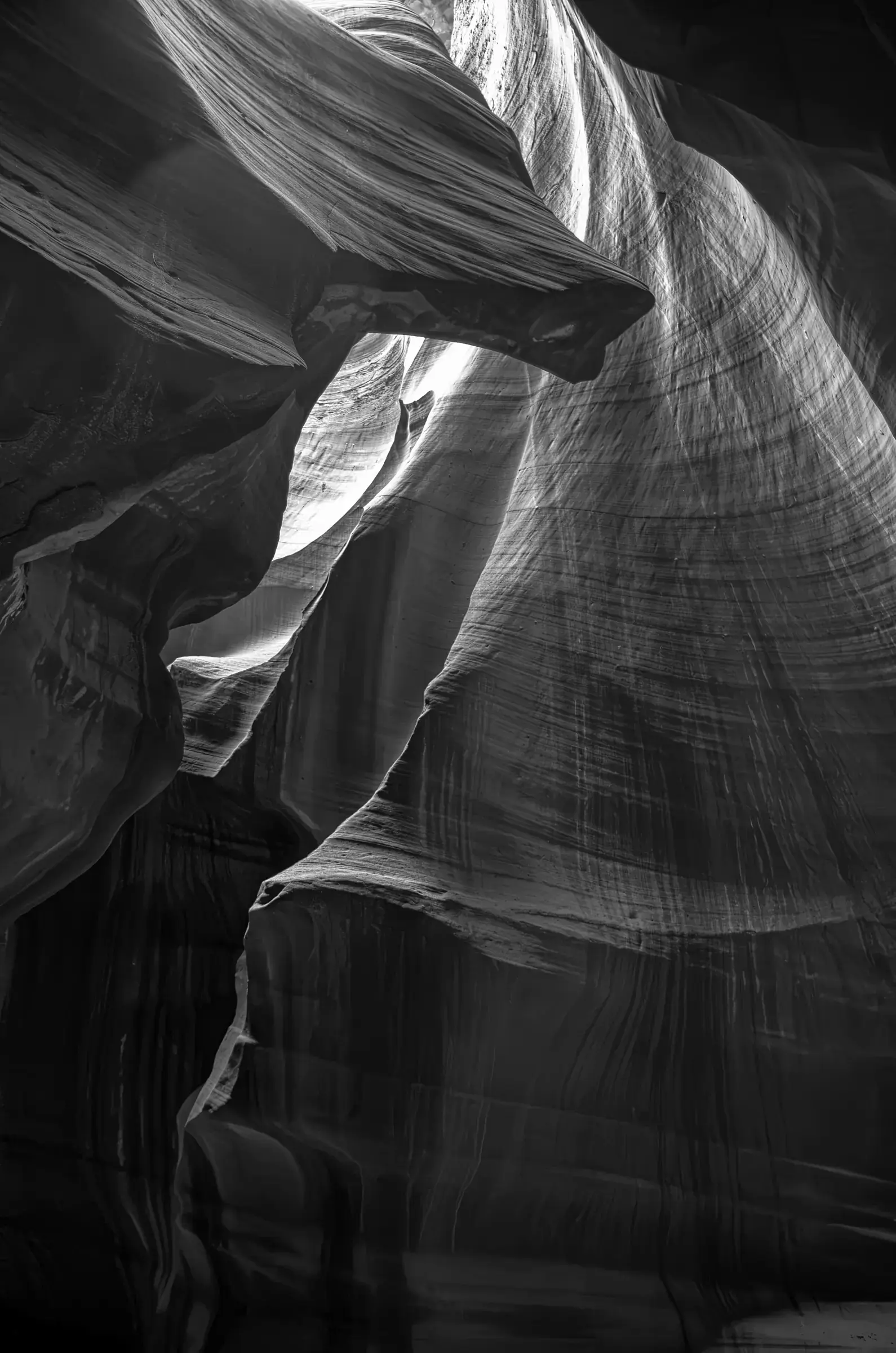
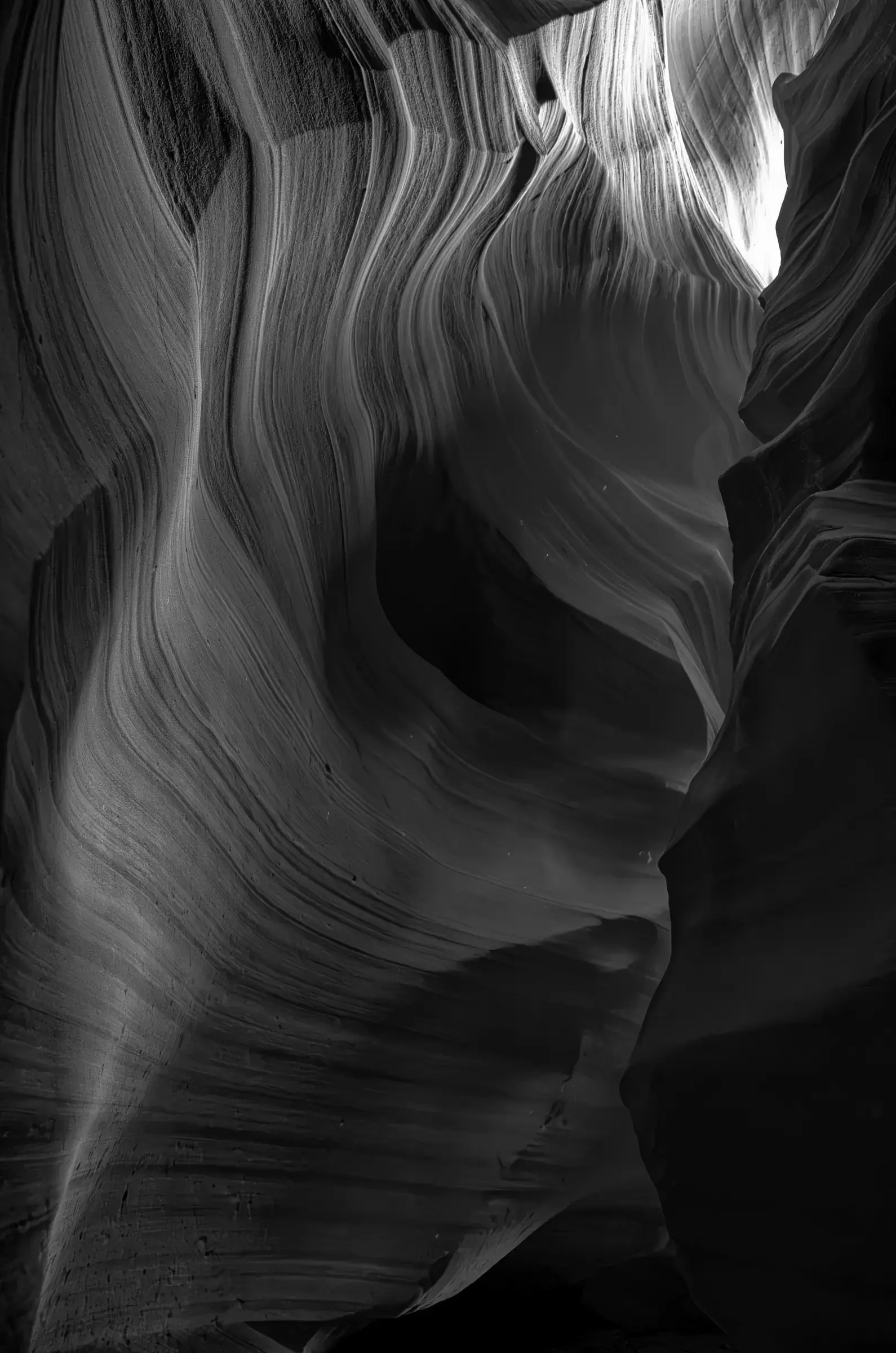
Sandstone and light inside Antelope Canyon, in black and white.