SEEKING | LIGHT
Works
  • Series
  • Landscape
  • B & W
  • City
  • Life
  • Portrait
  • Abstract
  • Wildlife
  • Archive
Prints
  • Quality & Care
Blog
Guides
  • The Aesthetics of Observation
About
Works
  • Series
  • Landscape
  • B & W
  • City
  • Life
  • Portrait
  • Abstract
  • Wildlife
  • Archive
Prints
  • Quality & Care
Blog
Guides
  • The Aesthetics of Observation
About

Search

Find artworks, prints, and blog entries

Search titles, places, collections, editions, and blog writing.

Start typing to search the public archive.

WorksSeriesPrintsBlog

    External link

    You’re about to open another site

    This destination sits outside Seeking Light. External pages may use different cookies, availability rules, or privacy practices.

    Photography archive

    Aperture

    Foundation / Conversations

    aperture.org

    ▶

    YouTube

    Video platform

    Open in a new tab ↗

    Destination

    example.com

    Opening in a new tab is recommended if you want to keep your place in the archive.

    Darkroom gallery

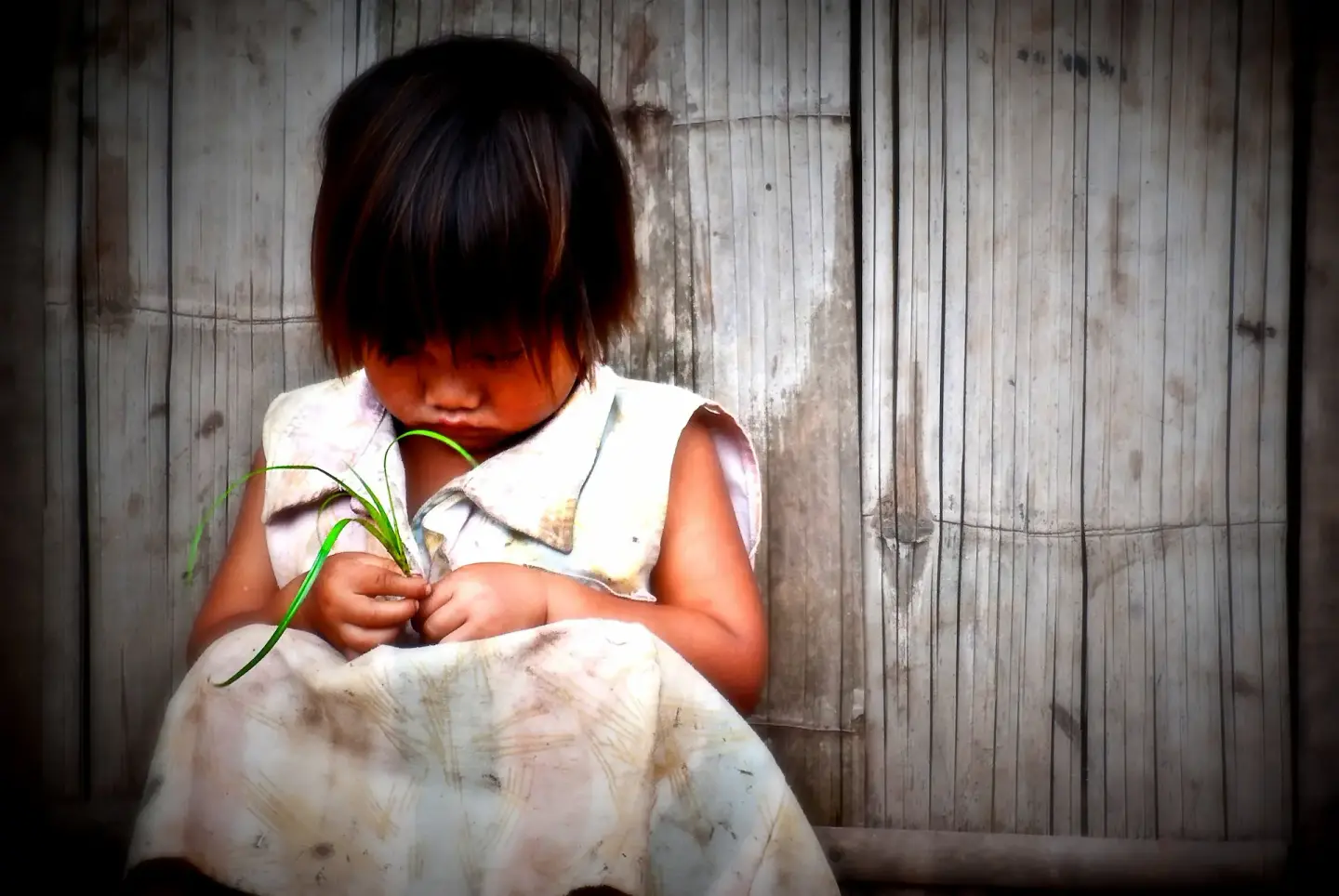
    Young child holding blades of grass beside a bamboo wall in Chiang Mai.
    Transition complete

    A moment in the Darkroom

    Keep this moment, and see the photographs it came from.

    Save image

    Current photograph: Child with Grass Blades, Chiang Mai

    The Aesthetics of Observationhttps://www.seekinglight.app/book/photography-learning-resources/photography learning resourcesphotography documentary guidephotography lecturesvisual literacy study sourceTeus Renes guidesguidesphotography-learning-resourcesThe Aesthetics of Observation

    The Aesthetics of Observation

    Talks and documentaries for photographers who want to compose better, build a body of work, and think harder about ethics, sequencing, and going back to the same places and people.

    I've put them in a suggested order, with notes on each. You can search them, see where to watch them in your region, and come back whenever you need to.

    Start with sixFind a talk
    What's here
    14 talks and films, about 18 hours, plus three further voices
    How it's organised
    Three phases: seeing, then sequencing, then ethics
    Where to watch
    Links for anywhere, or for the Netherlands and the EU
    Drawn from
    Aperture, Museum of Modern Art (MoMA), Louisiana Museum of Modern Art (Louisiana Channel), Whitney Museum of American Art, International Center of Photography (ICP), The Image Centre, Art21 and The Photographers' Gallery (London). These links open in a new tab.
    • How to use it
    • Start here
    • Find a talk
    • Syllabus
    • Further voices

    A syllabus to work through

    If the material is new to you, start with the phases in order. If you're already deep in a project, search by theme, open an entry, and use the notes to decide whether it's what you need right now.

    You don't need to get through all fourteen. One good talk that changes how you look, sequence, or edit is enough.

    1. 1SeeingHow a frame is made: composition, layering, ordinary subjects, and looking carefully.
    2. 2SequencingFrom single images to sequences, intuition, finding a project, and shaping a body of work.
    3. 3EthicsMortality, activism, and the responsibility of working on something for years.

    Start with these six

    There are about 18 hours here, and you don't need to watch them in order. Begin with these six, then follow whatever changes how you work.

    1. 1How to See the PhotographerStephen Shore · 56 min
    2. 2The Life of a PhotographSam Abell · 1 h 49 min
    3. 358 Years of Making PhotographsJoel Meyerowitz · 1 h 23 min
    4. 4Photography, Dreams, and ChanceAlec Soth · 52 min
    5. 5The 2021 Walter Annenberg LectureDawoud Bey · 1 h 7 min
    6. 6All the Beauty and the BloodshedNan Goldin · 2 h 2 min

    Find a talk

    Search by photographer, subject, or idea, or narrow the list by theme. Open any entry for notes, what to watch for, and something to try afterwards.

    Viewing links for

    All 14 sources

    1. Where to watch

      YouTube(opens in a new tab)

      Free on YouTube; B&H Photo Video Pro Audio upload

      Seeing & composition

      A lecture on composition built around Abell's approach: compose, then wait. Watch how working from a tripod slows him down and makes him see the frame in layers.

      Watch for

      • How Abell builds a frame from background to foreground.
      • Where waiting changes the meaning of an otherwise ordinary scene.

      Moments to jump to

      • 08:39Western Desert(opens in a new tab)
      • 08:57Composition(opens in a new tab)
      • 11:19Back Layer(opens in a new tab)

      Try after watching

      Choose one place and make one frame without changing position for ten minutes. Edit only after the waiting period.

      Key points

      • Choosing the background first keeps the foreground from becoming a cliché
      • In black and white, layers need to be clearly separated to read
      • Bad weather often makes for good pictures
      • Some photographs have a 'long life' and keep meaning something beyond their moment
      • Careful technique is part of what a picture says
      • Give every element in the frame its own space

      Follow this thread

      These search the list; linked titles open elsewhere.

    2. Where to watch

      YouTube / Aperture(opens in a new tab)

      Free on YouTube; Aperture upload

      Seeing & composition

      Meyerowitz talks about how colour photography came to be taken seriously as art, and what changed for him going from 35mm street work to 8x10 landscapes. Listen for how he is handling his archive: scanning more than 140,000 Kodachrome slides that have never been seen.

      Watch for

      • How a long career changes the meaning of an archive.
      • The difference between collecting images and building a body of work.

      Try after watching

      Return to one folder of older photographs. Make a new edit without trying to preserve the order or intention you originally gave it.

      Key points

      • Before the 1970s, colour was mostly seen as commercial or amateur
      • Large format slows you down until the light itself becomes the subject
      • Sorting a huge archive is part of looking after the work
      • His photographs of Ground Zero are the only full photographic record of the site's clean-up
      • He is scanning more than 140,000 Kodachrome slides

      Follow this thread

      These search the list; linked titles open elsewhere.

    3. Where to watch

      YouTube / Aperture(opens in a new tab)

      Free on YouTube; Aperture upload

      Seeing & composition

      Good for anyone working with layered colour. Webb talks about re-editing his archive during the pandemic and about photography as a kind of displacement. Most useful if you are already comfortable with busy frames.

      Watch for

      • How multiple focal points coexist without becoming visual noise.
      • How re-editing an archive can change a project’s argument.

      Moments to jump to

      • 03:26Interview begins(opens in a new tab)
      • 12:16Dislocations in photography(opens in a new tab)
      • 15:32The eye(opens in a new tab)

      Try after watching

      Make three frames in one location with three competing points of attention. Keep them together as a sequence rather than choosing one winner.

      Key points

      • Several equally important things happening in the frame at once
      • He moved to colour because the places he photographed demanded it
      • Displacement can be about place and about feeling
      • Working with others shows how photographers link different places and moods
      • Re-editing a book means rethinking what it says

      Follow this thread

      These search the list; linked titles open elsewhere.

    4. Where to watch

      YouTube / MoMA(opens in a new tab)

      Free on YouTube; Museum of Modern Art upload

      Seeing & composition

      A clear museum talk on seeing, framing, and photographing ordinary things precisely. Shore looks for the small signs of culture in everyday places.

      Watch for

      • How close attention, not drama, makes ordinary subjects precise.
      • How cultural context enters a frame without being announced.

      Try after watching

      Photograph one ordinary street or room without adding a subject. Make the place itself carry the image.

      Key points

      • Taking a photograph should feel as natural as speaking
      • An 8x10 view camera brings formal precision to everyday scenes
      • Warhol's Factory and Pop Art shaped his early work
      • Uncommon Places is still a reference point for American landscape photography
      • Culture shows most clearly in small details

      Follow this thread

      These search the list; linked titles open elsewhere.

    5. Where to watch

      YouTube / Louisiana Channel(opens in a new tab)

      Free on YouTube; Louisiana Channel upload

      Seeing & composition

      Graham talks about Diane Arbus, and about what separates photography from painting. His own interest is in subjects that are hard to pin down, not in obvious stories. In the early 1980s he was one of the first to use colour for British social documentary.

      Watch for

      • How Graham discusses influence without turning it into imitation.
      • Where the conversation complicates the idea of photographic intention.

      Try after watching

      Choose one photographer who has shaped your eye. Write down one formal influence and one assumption you need to resist copying.

      Key points

      • A photographer has to give up some control
      • Accepting 'mistakes' can take a picture beyond the literal
      • A Shimmer of Possibility uses short colour sequences to mimic how we notice things
      • Meaning is often in the gaps between one photograph and the next
      • He brought colour into British social documentary

      Follow this thread

      These search the list; linked titles open elsewhere.

    6. Where to watch

      YouTube / Alec Soth(opens in a new tab)

      Free on YouTube; creator upload

      Sequencing & process

      Soth's bookshelf tours double as a reading list. They show how photographers use a book to move through time. Watch the pacing: blank pages, the size of the pictures, and landscapes set against close portraits.

      Watch for

      • How his books work as a working archive, not just a list of influences.
      • How sequence, pause, and scale shape photographic meaning.

      Try after watching

      Put ten photobooks or image folders in an order. Add one deliberate pause and write what the pause changes.

      Key points

      • The pacing of a book sets the rhythm for the reader
      • Photography is closer to poetry than to the novel
      • Blank pages, picture size, and pairings give a book its rhythm
      • The book is often the final form of a project

      Follow this thread

      These search the list; linked titles open elsewhere.

    7. Where to watch

      YouTube / Aperture(opens in a new tab)

      Free on YouTube; Aperture upload

      Sequencing & process

      A good talk on process: intuition, drifting, and chance in making a project. Useful if you want to see how a body of work is found along the way instead of planned in advance.

      Watch for

      • How planning and chance coexist inside a long project.
      • How a project is found along the way instead of simply carried out.

      Moments to jump to

      • 02:34Alec Soth(opens in a new tab)
      • 08:01Sleeping by the Mississippi(opens in a new tab)
      • 12:35Sleepwalking(opens in a new tab)

      Try after watching

      Plan one photographic outing with a single constraint, then allow the subject and route to change once you begin.

      Key points

      • Plan the trip carefully, then let chance take over
      • Trust intuition more than the plan
      • Stay open to what you find
      • The pull between getting away and staying with family

      Follow this thread

      These search the list; linked titles open elsewhere.

    8. Where to watch

      YouTube / Whitney(opens in a new tab)

      Free on YouTube; Whitney Museum upload

      Ethics & society

      A museum lecture on what photography can do with portraiture, history, memory, and representation. Especially useful on how formal choices and showing work in series add meaning. His portraits are made with the sitters, not just of them.

      Watch for

      • How collaboration changes the ethics of portraiture.
      • How serial work can hold history without reducing people to evidence.

      Moments to jump to

      • 05:44Community(opens in a new tab)
      • 18:33Black Photographers Annual(opens in a new tab)
      • 21:26Harlem USA(opens in a new tab)

      Try after watching

      Before making a portrait, write what the person contributes to the image and what they should be able to refuse.

      Key points

      • A photograph can be personal story, shared history, and formal exercise at the same time
      • Four decades of work show how his voice changed
      • Portraiture built on mutual respect
      • Showing work in series strengthens the history it tells
      • Making portraits together with the people in them

      Follow this thread

      These search the list; linked titles open elsewhere.

    9. Where to watch

      Louisiana Channel(opens in a new tab)

      Free on Louisiana Channel

      Sequencing & process

      A useful talk on giving up control and letting a place decide how you work. Worth watching when your own work has become too planned or over-edited.

      Watch for

      • What changes when the environment is allowed to shape the method.
      • How giving up control can be a deliberate choice.

      Try after watching

      Let one location impose a formal rule on your next session. Do not change the rule when the work becomes inconvenient.

      Key points

      • The place shapes the method
      • Letting go makes room for discovery
      • Follow curiosity more than plans
      • Moving house changed how he works
      • Mess can be useful

      Follow this thread

      These search the list; linked titles open elsewhere.

    10. Where to watch

      YouTube / Tubi(opens in a new tab)

      Free on YouTube; Kino Lorber upload

      Place & mortality

      Content note

      Graphic depictions of decay

      Shows how an old, unpredictable process can shape what a picture means. Mann keeps the chemical 'mistakes', the flaws, streaks, and dust spots, so that the damage to the plate echoes the decay in the subject.

      Watch for

      • How material instability becomes part of emotional meaning.
      • Where being close to someone brings responsibility as well as access.

      Try after watching

      Make one photograph in which a technical imperfection is preserved deliberately. Write what it contributes before deciding whether it belongs.

      Key points

      • The process carries feeling
      • Technical flaws can be kept on purpose
      • Unstable chemistry matches the subject
      • One place, photographed for years
      • The farm is both her home and her subject
      • Wet collodion is volatile, and so are her themes

      Follow this thread

      These search the list; linked titles open elsewhere.

    11. Where to watch

      Netflix(opens in a new tab)

      Subscription or rental; country-dependent

      Ethics & society

      Content note

      Contains images of real dead bodies and accounts of famine, war, and displacement.

      Recognition

      • Cannes Film Festival: Un Certain Regard Special Prize (2014)
      • César Award: Best Documentary Feature (2015)
      • Academy Award nomination: Best Documentary Feature (87th Awards)

      An Oscar-nominated film about Salgado's forty years photographing war, famine, and displacement. What he witnessed took such a toll that he turned to Genesis, a project about untouched nature, and he and his wife began replanting the family land in Brazil.

      Watch for

      • The movement from witnessing suffering toward restoration.
      • The difference between ecological commitment and the aesthetics of the sublime.

      Try after watching

      Choose a long-term place project and name both what your photographs reveal and what they risk simplifying.

      Key points

      • Decades spent bearing witness
      • What documenting suffering costs the photographer
      • Moving from trauma to regrowth
      • Photography can lead to action
      • His environmental work continues his photography
      • About two million trees replanted in Brazil

      Follow this thread

      These search the list; linked titles open elsewhere.

    12. Where to watch

      PBS American Experience(opens in a new tab)

      Official film page; video availability varies by country

      Place & mortality

      The classic reference for craft and large-format work. Adams's technique helped photography be accepted as fine art, and the Zone System let him plan the tones of a print before he pressed the shutter. His pictures helped turn 'wilderness' into something the public wanted protected by law.

      Watch for

      • How visualization links seeing, exposure, and printing.
      • How landscape photography shapes public ideas of wilderness.

      Try after watching

      Make a tonal sketch before photographing a landscape: identify the darkest important value, the lightest, and the transition that carries the image.

      Key points

      • Good technique made his pictures politically effective
      • Large format demands commitment
      • Visualising the print before exposure
      • Photographs change how people see land
      • His training as a pianist shaped how he thought about pictures
      • The Zone System: planning the tones of the print in advance
      • His photographs helped protect wilderness

      Follow this thread

      These search the list; linked titles open elsewhere.

    13. Where to watch

      Internet Archive / YouTube(opens in a new tab)

      Free archival mirror; provenance is documented but not an official ARTE player

      Sequencing & process

      In each episode a photographer talks through their own contact sheets. Seeing the weaker frames around famous pictures takes the mystery out of the 'decisive moment'. Reassuring, too: the best photographers took plenty of ordinary frames to get one great one.

      Watch for

      • How working material changes the mythology of the decisive moment.
      • How photographers explain selection, repetition, and failure.

      Try after watching

      Make a contact sheet or thumbnail grid from one session. Mark the frame you chose and three frames you rejected; explain each decision.

      Key points

      • Contact sheets show how a picture was worked toward
      • Failed frames are part of the work
      • You can see, and learn, how they chose
      • Chance and intention both play a part
      • Even great photographers shoot lots of ordinary frames
      • The series spans the change from 35mm film to digital

      Follow this thread

      These search the list; linked titles open elsewhere.

    14. Where to watch

      HBO Max / Netflix(opens in a new tab)

      Subscription or rental; country-dependent

      Ethics & society

      Content note

      NPO lists a 16+ advisory, sexual content, and coarse language.

      Recognition

      • Venice Film Festival: Golden Lion (2022)
      • Academy Award nomination: Best Documentary Feature (95th Awards)

      An Oscar-nominated film that runs two stories side by side: Goldin's photographs of her friends and the underground scene (The Ballad of Sexual Dependency, the AIDS crisis), and her campaign against the Sackler family and the museums that took their money.

      Watch for

      • How a personal archive becomes a public political force.
      • How institutional refusal, protest, and photographic intimacy interact.

      Try after watching

      Map one relationship between your archive, an institution, and a public consequence. What can the photographs do, and what can they not do alone?

      Key points

      • A personal archive can become shared history
      • Artists can use their standing to pressure institutions
      • Her activism grows out of her photography
      • Museums refusing Sackler money counts as a win
      • Intimate pictures can be political
      • Photographing what she and her friends lived through
      • Die-ins and protests inside museums

      Follow this thread

      These search the list; linked titles open elsewhere.

    The syllabus, in three phases

    Start with careful seeing, move on to sequencing and shaping a project, and finish with the ethics and ecology of long-term work.

    Phase 1 — Learn to see the frame being made

    Start with ordinary subjects and careful framing, then move on to colour, chance, and busy, layered frames.

    1. 1How to See the PhotographerStephen Shore · 56 min
    2. 2The Life of a PhotographSam Abell · 1 h 49 min
    3. 358 Years of Making PhotographsJoel Meyerowitz · 1 h 23 min
    4. 4On Diane ArbusPaul Graham · 27 min
    5. 5Dislocations, in conversation with Denise WolffAlex Webb · 58 min

    Phase 2 — Learn to build a body of work

    Move from photobook thinking into chance, surrender, editing, and the long practice of making a coherent body of work.

    1. 1A Pound of Pictures (a shelf of books)Alec Soth · 59 min
    2. 2Photography, Dreams, and ChanceAlec Soth · 52 min
    3. 3A Photographer Losing ControlStephen Gill · 41 min
    4. 4Contacts: Photographer’s Secrets (selected compilation)Various (William Klein, Henri Cartier-Bresson, Nan Goldin, Thomas Ruff, Andreas Gursky, etc.) · 2 h 20 min
    5. 5Ansel Adams: A Documentary FilmAnsel Adams · 1 h 40 min

    Phase 3 — Learn discipline, return, and ethical weight

    Representation, mortality, ecology, and the responsibility that comes with going back to the same people and places for years.

    1. 1The 2021 Walter Annenberg LectureDawoud Bey · 1 h 7 min
    2. 2What Remains: The Life and Work of Sally MannSally Mann · 1 h 20 min
    3. 3The Salt of the EarthSebastião Salgado · 1 h 50 min
    4. 4All the Beauty and the BloodshedNan Goldin · 2 h 2 min

    Further voices

    These sit alongside the main list without claiming to complete it. They add other places, other ethics, and more collaborative ways of working.

    Tanenbaum Lecture: Susan Meiselas

    Susan Meiselas · Lecture · The Image Centre · 1:28:32

    Latin America · United States

    Meiselas on documentary work built on long relationships and human-rights work, and on how the photographer’s role changes once the work is in museums and exhibitions.

    Try this: Write down what changes when a photographer returns to a community for decades rather than treating a project as a single encounter.

    Open(opens in a new tab)Background(opens in a new tab)

    Free on YouTube · The Image Centre

    LaToya Ruby Frazier Makes Moving Pictures

    LaToya Ruby Frazier · Short documentary · Art21 · 6:56

    Braddock, Pennsylvania · Black American experiences

    A short film and a useful contrast to documentary made by outsiders. Frazier works with her mother and grandmother on pictures about environmental racism, healthcare, class, and family history.

    Try this: Ask who has agency in a documentary image and what collaboration changes in the final edit.

    Open(opens in a new tab)Background(opens in a new tab)

    Free on Art21 · educator guide available

    Shifting the Negative: An Evening with Zanele Muholi

    Zanele Muholi · Lecture context and essay · International Center of Photography · Reading resource

    South Africa

    Muholi calls the people they photograph participants, not subjects, and is building an archive of queer African lives. It widens both the ethics and the geography of this list.

    Try this: Replace the word “subject” in one project description. What changes when the people photographed are treated as participants with their own stake in the archive?

    Open(opens in a new tab)Background(opens in a new tab)

    Free reading on ICP

    After watching

    The real test of any of these talks is what it changes on your next walk with a camera. If you'd like to see finished bodies of work next, the series are a good place to start.

    See the seriesAll guides

    Full-screen archive

    View artwork
    1. Home
    2. Guides
    3. The Aesthetics of Observation

    Studio notes & new editions

    Monthly dispatches from the studio.

    ✓ You're on the list. Thank you.

    Something went wrong. Please try again or email contact@seekinglight.app.

    contact@seekinglight.app
    Print guidePrivacySecurityAcknowledgments

    © 2026SEEKING | LIGHT

    Fine Art Photography by Teus Renes·All rights reserved

    This website uses cookies to analyze site usage and improve your experience.View our Privacy Policy